Before the Fitness App Told You to Breathe: How Americans Stayed Strong Without Ever Joining a Gym
Photo: Steve Shook from Moscow, Idaho, USA, CC BY 2.0, via Wikimedia Commons
Open any fitness app right now and you'll find a curated twelve-week program, a VO2 max estimate, a sleep recovery score, and a gentle notification reminding you to stand up. It will track your steps, analyze your heart rate variability, and suggest the optimal time to work out based on your circadian rhythm. It will also cost you $14.99 a month, minimum.
Your grandfather would have found this completely baffling. Not because he didn't care about being fit — but because staying physically capable was just part of living, not a separate activity you had to schedule, pay for, and optimize.
The Workout That Didn't Have a Name
For most of American history, physical exertion wasn't a hobby or a health intervention. It was Tuesday. Farmers walked miles behind plows. Factory workers spent eight-hour shifts doing things that would now be classified as moderate-to-vigorous physical activity. Housewives — before every appliance existed to eliminate effort — wrung laundry, scrubbed floors, kneaded bread, and carried groceries on foot. Kids walked to school, ran through neighborhoods until dark, and played pickup games in empty lots with no adult supervision, no registration fee, and no matching uniforms.
The physical demands of everyday life in mid-20th century America meant that most working adults were getting what we'd now call "functional fitness" simply by existing. The body was a tool, and tools got used.
When structured exercise did exist, it was refreshingly uncomplicated. Calisthenics — push-ups, jumping jacks, sit-ups, pull-ups — were standard physical education fare, taught in schools and practiced in living rooms. The President's Council on Physical Fitness, launched in 1956, promoted simple bodyweight routines that required nothing but floor space and willingness. The military's fitness culture, which influenced civilian life significantly in the postwar decades, prized functional strength: running, climbing, carrying, endurance.
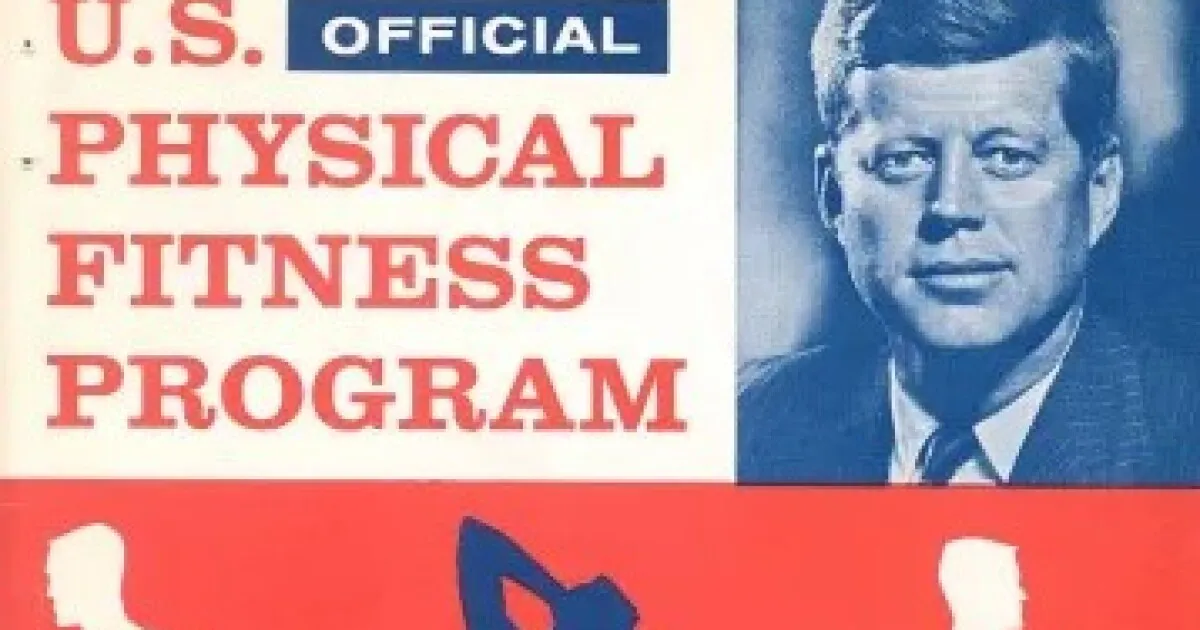 Photo: President's Council on Physical Fitness, via npr.brightspotcdn.com
Nobody needed a biomechanics PhD to explain the deadlift. You just picked things up.
The Free Pool and the Empty Lot
Public infrastructure used to do a lot of the heavy lifting — literally. Municipal pools in American cities were often free or nearly free, and they were packed all summer long. Public parks had actual physical equipment: parallel bars, climbing structures, open fields for informal games. The YMCA charged modest fees and served as a genuine community fitness hub rather than a boutique wellness experience.
Pickup basketball, sandlot baseball, neighborhood football games — these weren't organized leagues with waiting lists and registration portals. They were spontaneous, self-governing, and free. You showed up, you played, you went home tired. That was the whole system.
Swimming holes, hiking trails, and open fields served as the original cross-training facilities. Rural Americans especially lived physically demanding lives that would exhaust most modern gym-goers within a week. The idea of paying money to exercise would have struck a 1950s farmhand as one of the stranger concepts he'd ever heard.
How the Fitness Industry Was Born
The commercialization of physical fitness in America didn't happen all at once. It crept in gradually, following the same pattern as so many other parts of American life: as daily physical labor declined, a market emerged to replace what had disappeared naturally.
By the 1970s and 1980s, desk jobs were proliferating, cars had replaced walking for nearly every trip, and labor-saving devices had removed most of the physical effort from domestic life. Americans were, for the first time in history, living lives that required almost no physical exertion. The body, suddenly freed from its traditional demands, needed something new.
Enter the fitness industry. Jack LaLanne had been preaching the gospel of deliberate exercise since the 1950s, but it was the aerobics boom of the late 1970s and the gym culture explosion of the 1980s that truly commercialized the concept of working out. Jane Fonda's workout tapes. Nautilus machines. Gold's Gym. The idea that fitness was a product you purchased — rather than a byproduct of living — took root and never let go.
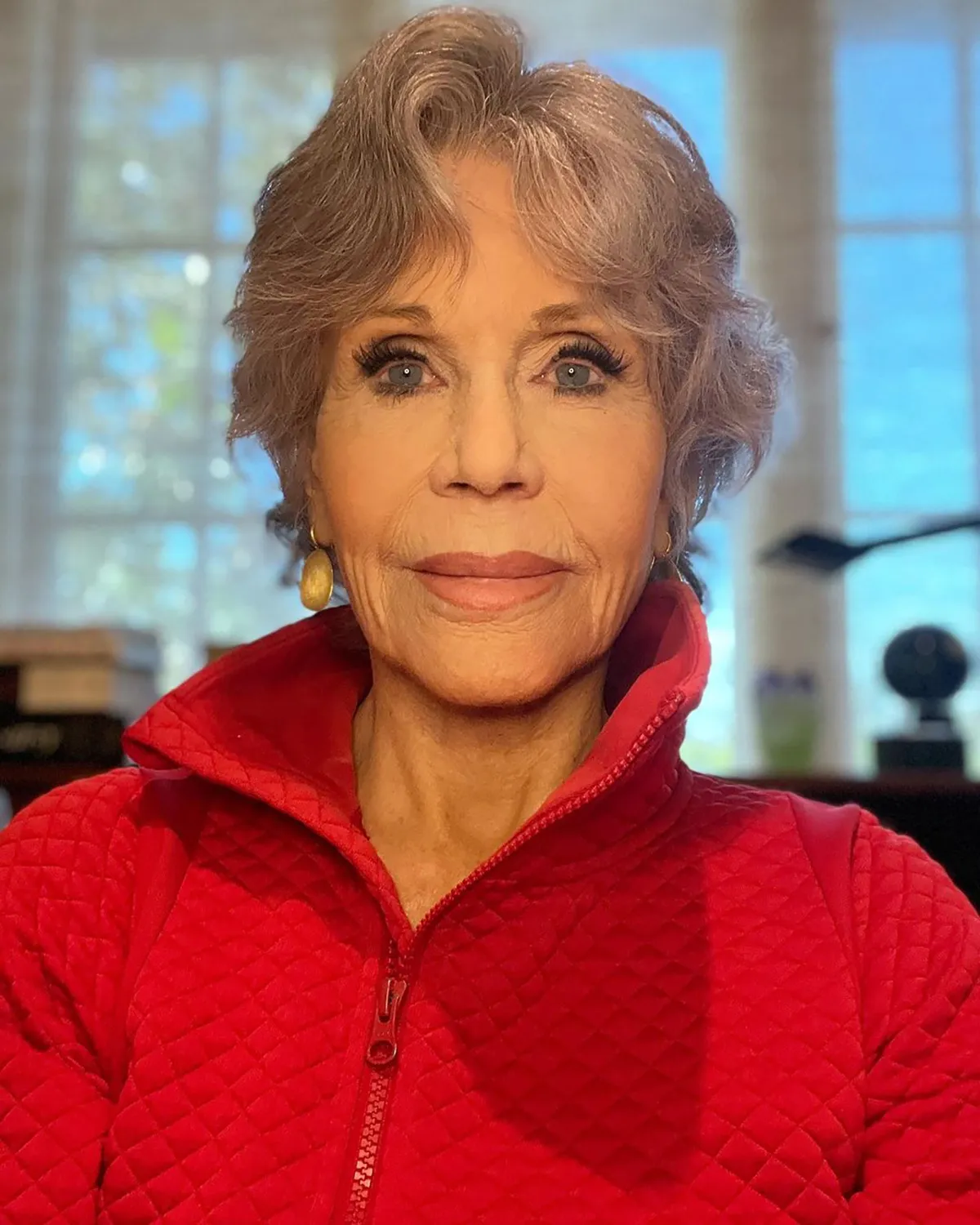 Photo: Jane Fonda, via pagesix.com
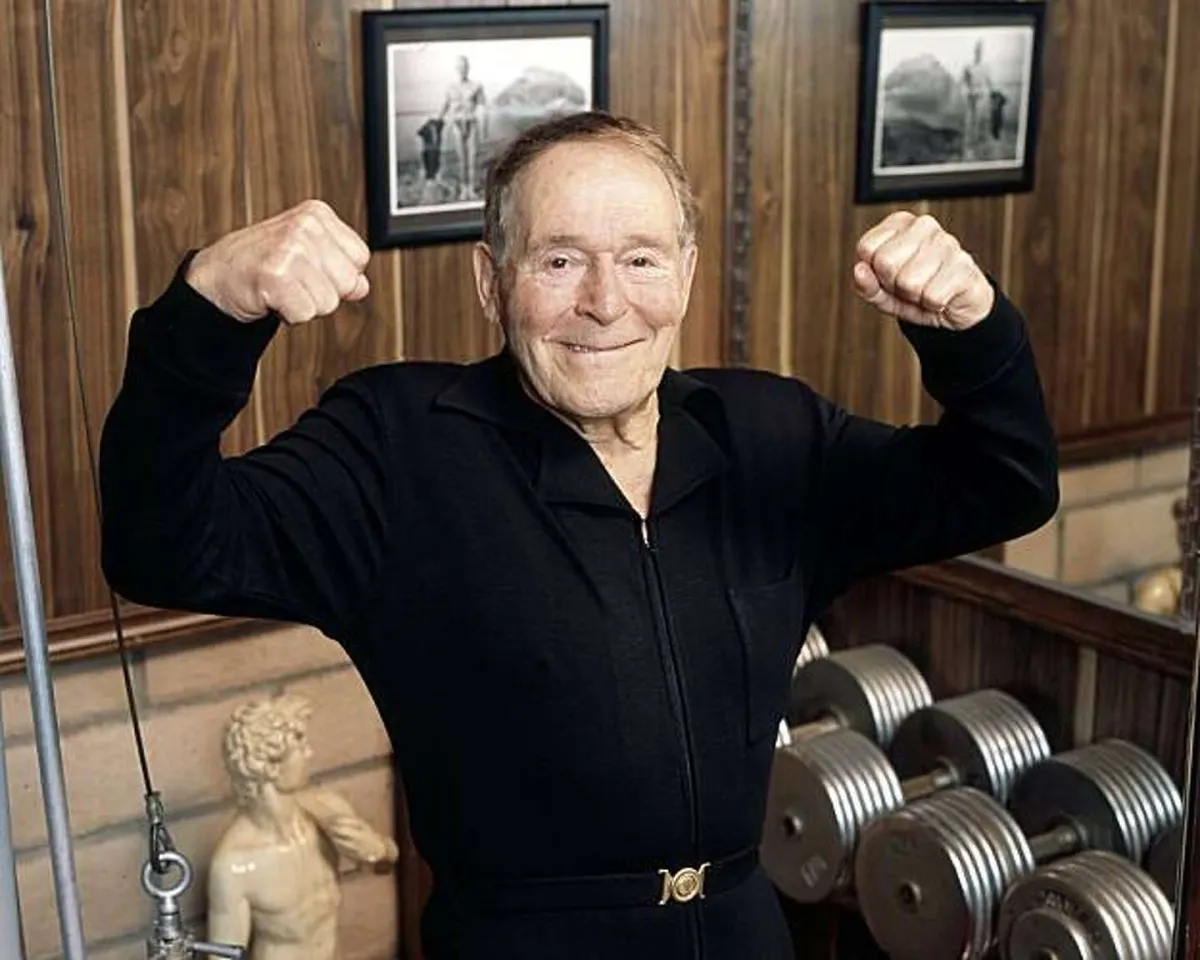 Photo: Jack LaLanne, via s.hdnux.com
Today, the U.S. fitness industry generates roughly $35 billion annually. There are approximately 41,000 health clubs in the country. Fitness wearables, apps, streaming workout platforms, and connected equipment add billions more. Americans spend more money trying to stay fit than many countries spend on their entire healthcare systems.
Are We Actually Healthier?
Here's the uncomfortable question lurking behind all those step counts and macro trackers: has any of it worked?
By most measures, the answer is complicated at best. Adult obesity rates in America have climbed steadily even as the fitness industry has grown. Chronic disease rates tied to sedentary behavior remain high. A significant portion of gym memberships go unused. The average American still falls short of basic federal physical activity guidelines, despite having more fitness resources available than any generation in history.
Meanwhile, research into the physical capabilities of earlier generations paints a surprisingly humbling picture. Studies of grip strength, cardiovascular endurance, and functional movement suggest that mid-century Americans — the ones who never owned a fitness tracker or attended a spin class — were often physically comparable to, or stronger than, their modern counterparts. Not because they were genetically superior, but because their lives demanded more of their bodies every single day.
The fitness app didn't make us more active. It made us more aware of how inactive we've become.
Movement as a Lifestyle, Not a Line Item
None of this is an argument against exercise science, good coaching, or the genuine benefits of structured training. For people managing injuries, training for specific goals, or navigating health conditions, modern fitness tools are genuinely valuable. The knowledge we've accumulated about human physiology over the past fifty years is remarkable.
But there's something worth sitting with in the contrast between then and now. A generation of Americans stayed strong, capable, and reasonably healthy by walking places, doing physical work, playing outside, and swimming in public pools that cost a dime. They didn't optimize their recovery windows or track their active minutes. They just moved, constantly and naturally, because their world required it.
The most effective fitness program in American history wasn't a program at all. It was just life — before we engineered all the effort out of it.