How different was the world before today?

Then & Now

How different was the world before today?

Latest Articles

When Music Lessons Meant Waiting Your Turn and Guitars Lasted Forever
Culture

When Music Lessons Meant Waiting Your Turn and Guitars Lasted Forever

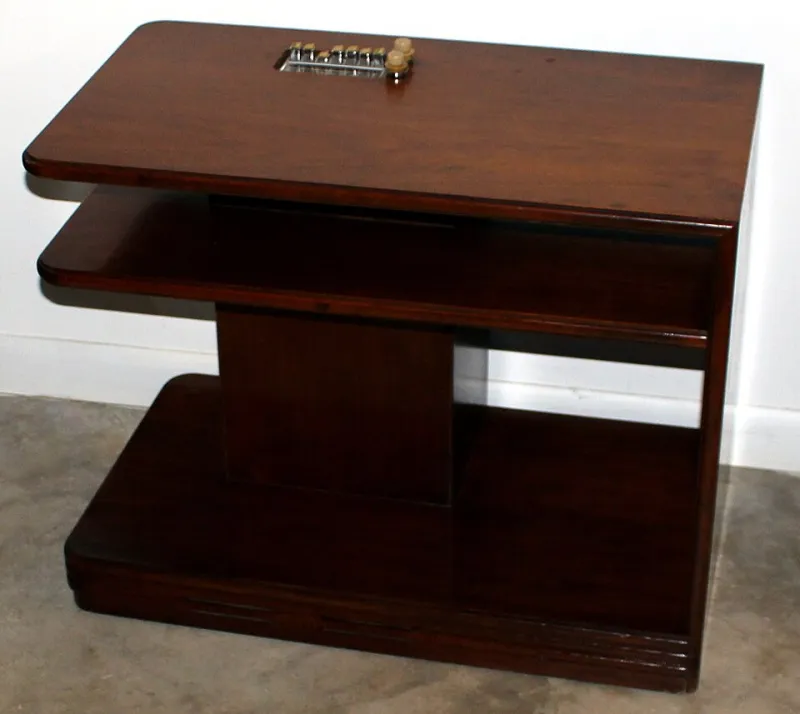
In 1972, learning guitar meant saving for months to buy an instrument, finding someone who knew three chords, and practicing the same song for weeks. Today's aspiring musicians have unlimited tutorials and quit after downloading their first app. What changed?

The Patch of Grass That Ate the American Dream
Culture

The Patch of Grass That Ate the American Dream

Dad used to mow the lawn with a push mower on Saturday mornings and call it done. Now homeowners spend thousands on irrigation systems, soil analysis, and apps that remind them when to fertilize. How did 2,000 square feet of grass become a part-time job?

When Your Hospital Bill Fit on a Single Receipt and You Paid It Before You Left
Health

When Your Hospital Bill Fit on a Single Receipt and You Paid It Before You Left

In 1970, a broken arm cost $85 and you settled up at the front desk. Today's emergency room visits generate bills from doctors you never met, arriving weeks later with codes you can't decipher. How did fixing a bone become a financial mystery?

Back When the Peanuts and Cracker Jack Cost More Than Your Seat
Culture

Back When the Peanuts and Cracker Jack Cost More Than Your Seat

In 1975, a family of four could attend a Cubs game for $12. The hot dogs cost 75 cents and parking was free. Today, those same hot dogs cost more than the tickets used to.

When Getting Across Town Was as Simple as Getting in the Car
Travel

When Getting Across Town Was as Simple as Getting in the Car

In 1965, driving from downtown Los Angeles to the suburbs took 22 minutes. Today, the same route averages 73 minutes during rush hour. Here's how America's cities went from wide-open roads to parking lots with lanes.

From Gold Watches to 401k Passwords: How America Stopped Rewarding Loyalty
Culture

From Gold Watches to 401k Passwords: How America Stopped Rewarding Loyalty

Your grandfather worked 30 years and got a pension that paid until he died. You'll work 30 years for twelve different companies and retire on whatever you managed to save yourself. Here's how the American workplace abandoned the promise of security.

When a Twisted Ankle Meant Ice and Aspirin. Now It Means Three Appointments and a Payment Plan.
Health

When a Twisted Ankle Meant Ice and Aspirin. Now It Means Three Appointments and a Payment Plan.

A simple sprain that once cost you a dollar's worth of drugstore supplies now triggers a medical cascade involving specialists, scans, and bills that arrive for months. How did fixing what's broken become so complicated?

When the Block Had Everything You Needed and Everyone You'd Call
Culture

When the Block Had Everything You Needed and Everyone You'd Call

Your grandfather borrowed sugar from Mrs. Peterson and fixed her leaky faucet in return. Today, Mrs. Peterson orders groceries online and calls TaskRabbit to change a lightbulb.

Your Parents' Wedding Cost a Semester of College. Yours Cost a Semester at Harvard.
Culture

Your Parents' Wedding Cost a Semester of College. Yours Cost a Semester at Harvard.

In 1980, the average wedding cost what a new Camaro did. Today, it costs what a luxury SUV does—and couples are mortgaging their futures for a single day that's become a full-scale production.

Your Brain Used to Be a Phone Book. Now It's an Empty Contact List.
Health

Your Brain Used to Be a Phone Book. Now It's an Empty Contact List.

Before smartphones, the average American could recite dozens of phone numbers from memory. Today, most people struggle to remember their own mother's number without checking their contacts.

When June Meant Real Money: The Death of the Summer Job That Actually Paid
Culture

When June Meant Real Money: The Death of the Summer Job That Actually Paid

Summer work used to mean teachers doubling their income and factory workers building new decks. Today's seasonal jobs barely cover the cost of commuting to them.

When a Family of Four Could Catch Nine Innings for the Price of a Pizza
Culture

When a Family of Four Could Catch Nine Innings for the Price of a Pizza

In 1975, taking the family to see the Yankees cost less than dinner at a chain restaurant. Today, that same outing requires financial planning that rivals a vacation budget.

When Seeing the Doctor Meant Seeing the Doctor — Not His Portal, His Scheduler, and His Billing Department
Health

When Seeing the Doctor Meant Seeing the Doctor — Not His Portal, His Scheduler, and His Billing Department

A doctor's visit in 1970 was simple: call, schedule, show up, get treated, pay, leave. Today's healthcare system has transformed that straightforward transaction into a weeks-long administrative odyssey that can outlast the illness itself.

One Driveway, One Car, Everywhere You Needed to Go
Travel

One Driveway, One Car, Everywhere You Needed to Go

American families in 1975 managed their entire lives with a single automobile parked in the driveway. Today, the average household runs 2.3 vehicles just to stay functional, and the math behind that shift reveals how dramatically we redesigned the American way of life.

When Every Kid Had a Job by June and Called It Freedom
Culture

When Every Kid Had a Job by June and Called It Freedom

Forty years ago, three-quarters of American teenagers spent their summers earning paychecks at pools, stores, and construction sites. Today, that number has dropped to barely one in three, and what replaced those jobs might surprise you.

Your Parents Bought Knowledge by the Pound. You Get It for Free and Somehow Know Less.
Culture

Your Parents Bought Knowledge by the Pound. You Get It for Free and Somehow Know Less.

Encyclopedia sets once cost thousands in today's money and took up entire shelves. Families saved for months to buy them, treating knowledge as the ultimate investment in their children's future.

The Lost Art of Not Knowing: How Dinner Table Debates Died When Phones Got Smart
Culture

The Lost Art of Not Knowing: How Dinner Table Debates Died When Phones Got Smart

Before Google, disputed facts could spark hours of family debate. Nobody could instantly prove who was right, so we learned to argue, theorize, and sometimes just agree to disagree.

When Americans Drove Nowhere in Particular and Called It the Perfect Sunday
Culture

When Americans Drove Nowhere in Particular and Called It the Perfect Sunday

For decades, the Sunday drive was America's most popular family activity—no GPS needed, no destination required. Then everything changed, and we forgot how to enjoy the journey without a purpose.

Your Grandmother's 1965 Frigidaire Still Hums. Your Smart Fridge Died After the Warranty Expired.
Culture

Your Grandmother's 1965 Frigidaire Still Hums. Your Smart Fridge Died After the Warranty Expired.

Mid-century appliances were built to last decades and could be repaired by any local technician with basic tools. Today's smart devices are designed to fail, requiring proprietary parts and authorized service centers. The shift from ownership to replacement changed how Americans think about the things they buy.

When Main Street Had a Face for Every Service and Knew Your Family's History
Culture

When Main Street Had a Face for Every Service and Knew Your Family's History

American neighborhoods once centered around local specialists who knew three generations of customers by name. The rise of big-box stores and online shopping replaced personal relationships with algorithms and efficiency. The convenience came at a cost few anticipated.