The Grocery Store Used to Stock 3,000 Items. Today That Number Will Surprise You — and So Will What It Says About Us
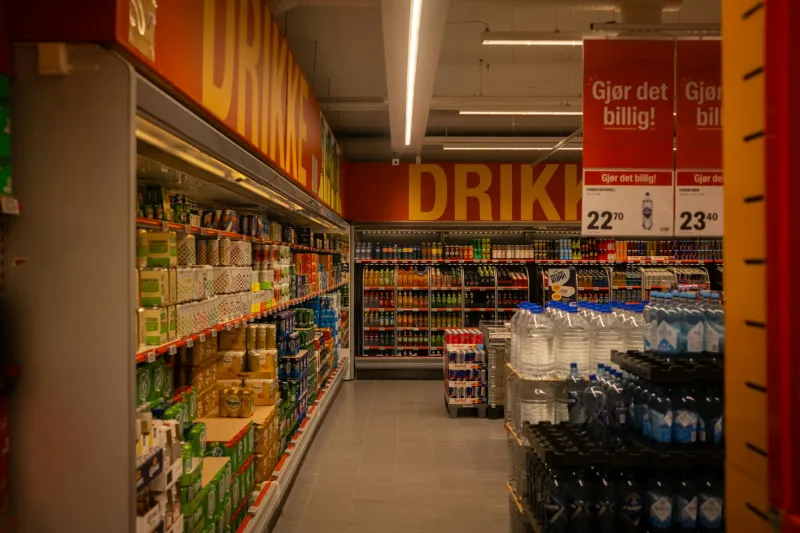
When Shopping Meant Choosing, Not Searching
Walk into any American supermarket today and you'll find yourself navigating roughly 50,000 square feet of retail space packed with over 30,000 different products. Compare that to 1970, when the average grocery store was about half the size and carried just 3,000 items. You'd think all those extra choices would make us happier customers. Instead, surveys consistently show that Americans feel more stressed about grocery shopping than ever before.
The numbers tell a fascinating story about how we got here — and what we lost along the way.
The Great Grocery Explosion
In 1970, your local grocery store was a relatively simple place. The cereal aisle offered maybe a dozen options, mostly from Kellogg's and General Mills. You could choose from three or four types of pasta sauce, and the yogurt section took up about as much space as a single modern refrigerated case.
Fast-forward to today, and that same cereal aisle stretches for 50 feet and offers over 300 different options. The pasta sauce section rivals the size of entire 1970s grocery stores, with marinara variations that include "roasted garlic with herbs," "fire-roasted tomato with basil," and "organic heirloom tomato with sea salt."
This explosion happened gradually, then all at once. Deregulation in the 1980s allowed food manufacturers to experiment with new products faster than ever. The rise of focus groups and market research convinced companies that Americans wanted more variety. Supply chain improvements made it possible to stock perishable items from around the world year-round.
By the 1990s, grocery stores were in an arms race for shelf space, each trying to offer more options than the competition.
The Paradox of Choice Hits the Produce Aisle
Psychologist Barry Schwartz coined the term "paradox of choice" to describe what happens when too many options actually make us less happy. Nowhere is this more evident than in the modern grocery store.
Consider the jam aisle. In the 1970s, you might choose between grape, strawberry, and maybe apricot preserves. Today, a typical supermarket stocks over 80 different varieties of jam, jelly, and preserves. Sounds great, right? Yet studies show that shoppers presented with 24 jam options were significantly less likely to make a purchase than those who saw only six choices.
The same phenomenon plays out across every department. The average American now spends 43 minutes per grocery trip, up from 30 minutes in 1980 — and much of that extra time is spent simply trying to decide between nearly identical products.
What We Gained (And What We Lost)
The grocery store transformation reflects broader changes in American culture. We gained incredible variety: fresh mangoes in Minnesota winters, organic everything, and specialty products for every dietary restriction imaginable. Walk through any modern supermarket and you'll find foods that would have been exotic luxuries just 40 years ago.
We also gained convenience in ways that would have seemed like science fiction in 1970. Self-checkout kiosks, mobile apps that remember our shopping lists, and same-day delivery have revolutionized the shopping experience.
But we lost something too: simplicity. The 1970s shopper could walk into their neighborhood grocery store and complete their weekly shopping in under 30 minutes because the choices were manageable. They knew their store's layout by heart and could find everything they needed without consulting a smartphone app.
More importantly, they lost the social aspect of shopping. The 1970s grocery store was a community hub where you'd run into neighbors and chat with cashiers who knew your family. Today's massive supermarkets, with their self-service everything and rotating staff, feel more like warehouses than community spaces.
The Psychology of Modern Shopping
Food marketers have become experts at exploiting our decision-making weaknesses. They know that overwhelmed shoppers tend to stick with familiar brands or grab whatever's at eye level. They understand that we'll pay premium prices for products that promise to simplify our choices — hence the explosion of "meal kits" and pre-selected grocery bundles.
The average American household now spends more time deciding what to eat than actually eating. We browse restaurant delivery apps for 20 minutes, scroll through Pinterest recipe boards, and still end up ordering the same pizza we had last week.
The Unintended Consequences
This choice explosion created problems nobody anticipated. Food waste has skyrocketed as overwhelmed shoppers buy more than they can use. Decision fatigue leads to poor nutritional choices — when faced with too many options, we often default to whatever's easiest or most familiar.
The economics changed too. All those product variations require massive distribution networks, specialized storage, and complex inventory management. These costs get passed on to consumers, making groceries more expensive even as competition theoretically should drive prices down.
Looking Back, Moving Forward
The contrast is striking: in 1970, Americans spent about 25% of their income on food and felt generally satisfied with their choices. Today, we spend roughly 15% of our income on food but report feeling overwhelmed and unsatisfied with our options.
Some retailers are starting to recognize this problem. Trader Joe's built a cult following by deliberately limiting choices — they typically stock just one or two versions of any given product. Aldi follows a similar philosophy, offering about 1,400 products compared to the industry average of 30,000.
The grocery store revolution tells us something profound about American consumer culture: we asked for endless choices, got exactly what we wanted, and discovered that maybe what we really needed was the opposite. Sometimes progress isn't about having more options — it's about having better ones.