When One Car Was Enough for Everything
Picture this: It's 1975, and the Johnson family of suburban Cleveland owns exactly one car — a brown Ford LTD that sits in their single-car garage. Dad drives it to work at the steel plant fifteen minutes away. Mom uses it twice a week for groceries at the A&P down the street. The kids walk to Roosevelt Elementary, bike to baseball practice, and take the city bus downtown to the movies.
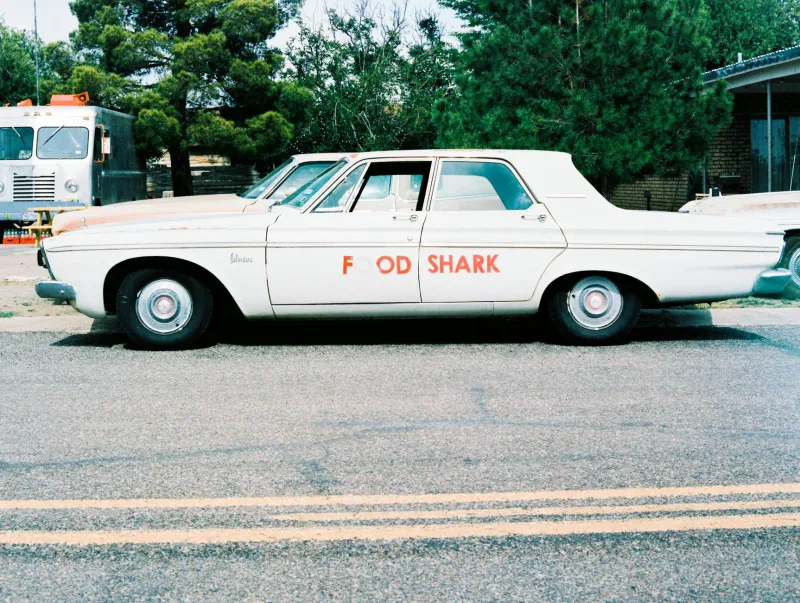
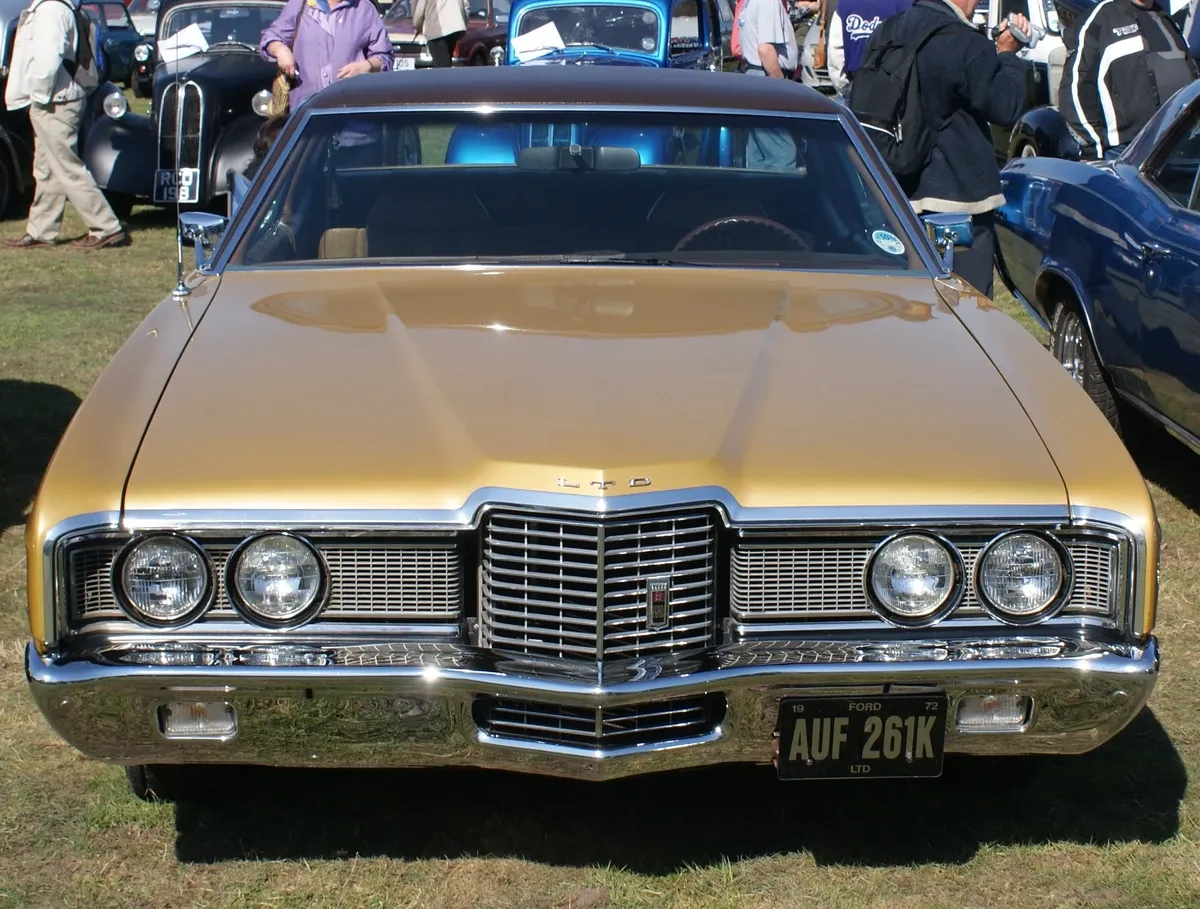 Photo: Ford LTD, via static.wikia.nocookie.net
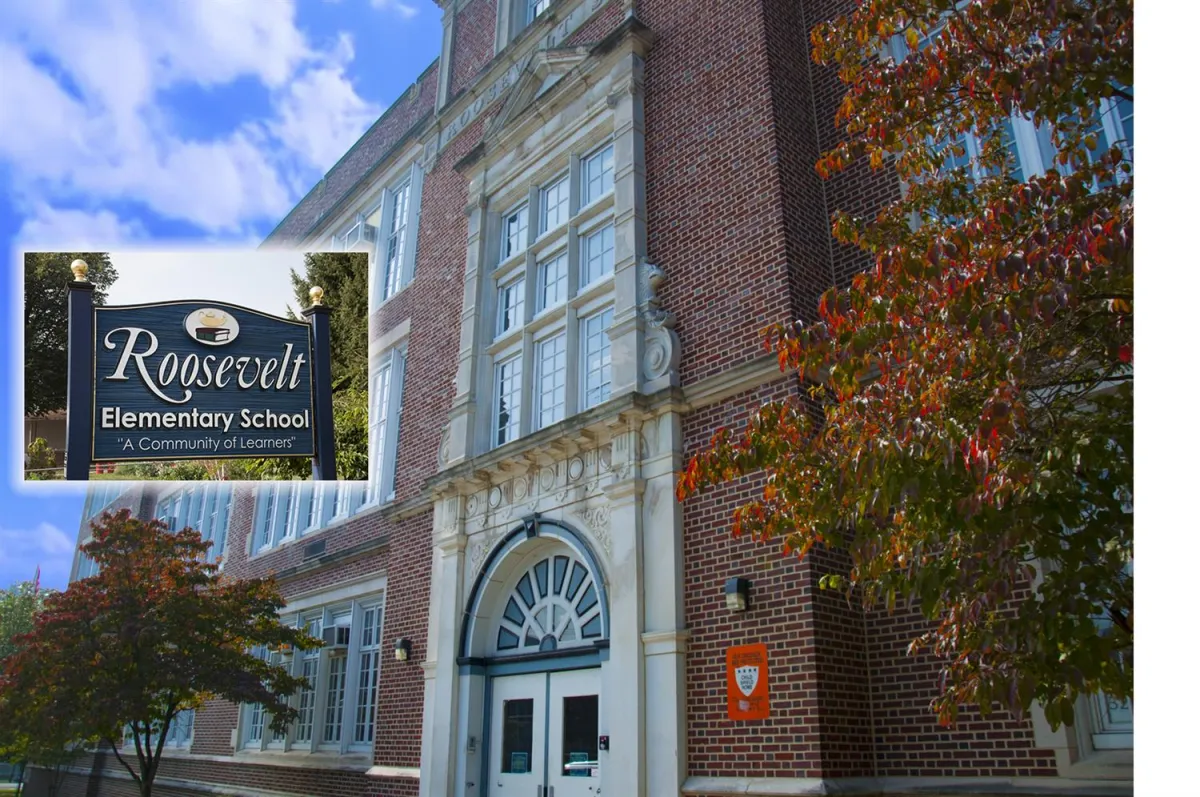 Photo: Roosevelt Elementary, via cmsv2-assets.apptegy.net
This wasn't poverty or sacrifice. This was normal. In 1975, 84% of American households owned one car or less. The idea that a family might need multiple vehicles to function seemed as foreign as needing multiple telephones.
Fast-forward to today, and that same lifestyle would be nearly impossible. The average American household now operates 2.3 vehicles, and many families consider that barely adequate. What changed wasn't our desire for cars — it was the fundamental design of American life.
How We Built Car Dependency Into Everything
The transformation started with zoning laws that separated where people lived from where they worked, shopped, and learned. In 1975, you could still walk to your corner grocery, your kids' school, and your local doctor's office in most American towns. Those places were zoned to exist in residential neighborhoods.
By the 1990s, new subdivisions were built around a different model. Homes went in one zone, shopping in another, schools in a third, and offices in a fourth. Suddenly, every trip required a car because walking or biking between zones wasn't just impractical — it was often illegal under local zoning codes.
The numbers are staggering. In 1975, the average American made 3.4 trips per day. Today, it's 4.1 trips, but each trip is 40% longer. We're not just driving more — we're driving farther to reach the same basic services our grandparents accessed on foot.
The Real Cost of That Second Car
When families started buying second cars in the 1980s and 90s, they thought about monthly payments. But the true cost of car dependency goes far beyond the sticker price.
Consider the Johnson family's modern equivalent. They now own a 2019 Honda Accord and a 2021 Toyota Highlander. Between car payments, insurance, gas, maintenance, and depreciation, those two vehicles cost them roughly $18,500 per year — about $1,540 per month.
In 1975, that original Ford LTD cost the equivalent of about $4,200 annually in today's dollars. The modern family spends more than four times as much on transportation, not because cars got more expensive, but because they need more of them.
Over a lifetime, that difference adds up to about $350,000 — enough to buy a house in many American cities.
When Kids Could Get Places Without Parents
The shift to car dependency fundamentally changed childhood. In 1975, a typical ten-year-old could reach school, friends, parks, and activities independently. They walked, biked, or took public transit that actually served neighborhoods.
Today's ten-year-old lives in a world designed for cars. Their school is across town, accessible only by highway. Their friends live in other subdivisions with no safe walking or biking routes between them. Even the park requires a car ride because it's separated from residential areas by busy roads with no sidewalks.
This created what researchers call "chauffeur parents" — adults whose daily schedules revolve around driving children to activities they once reached independently. It's not helicopter parenting; it's the inevitable result of infrastructure that makes independence impossible for anyone without a driver's license.
The Grocery Store That Moved to the Highway
Nothing illustrates the shift better than grocery shopping. In 1975, most American families shopped at neighborhood stores they could walk to. These weren't convenience stores — they were full-service groceries integrated into residential areas.
As zoning laws pushed retail out of neighborhoods and onto highway strips, grocery stores got bigger, cheaper, and farther away. The corner market couldn't compete with the superstore that offered everything under one roof at lower prices.
The trade-off seemed obvious: drive a little farther, save money, get more selection. But it created a dependency cycle. Once the neighborhood stores closed, you had to drive to shop. Once you had to drive anyway, you might as well drive to the biggest, cheapest store. Soon, every grocery trip required a car, and every family needed enough cars to handle grocery trips.
The Traffic We Created Trying to Solve Traffic
The irony is that we built this car-dependent world partly to escape the problems of the old one. Suburbs promised to solve urban traffic, noise, and crowding. Instead, they created different problems on a much larger scale.
In 1975, the average American spent 16 minutes commuting to work. Today, it's 27 minutes. We didn't just move farther from our jobs — we created a system where everyone has to drive everywhere simultaneously, creating the traffic jams we were trying to avoid.
The result is a transportation system that would seem insane to someone from 1975: millions of Americans sitting alone in individual vehicles, burning gas in traffic jams, to reach destinations that used to be within walking distance.
When Getting There Was Part of the Journey
The single-car family of 1975 lived differently, but not necessarily worse. Without the option to drive everywhere separately, families spent more time together. Car trips were planned, shared experiences rather than individual necessities.
Kids developed independence and problem-solving skills by navigating their neighborhoods on foot and by bike. Parents weren't trapped in endless cycles of driving to activities. Communities were more connected because people encountered each other while walking to daily destinations.
Today's multi-car lifestyle offers convenience and choice that would amaze our 1975 counterparts. But it came with costs we're still calculating: financial, environmental, social, and personal. We solved the problem of getting where we wanted to go by redesigning our world so we had to go farther to get there.
Sometimes progress means you need more tools to accomplish the same task. And sometimes, that's not actually progress at all.