When a Pack of Baseball Cards Cost a Quarter and Dreams Were Free
The Ritual of the Corner Store
Every kid in 1975 knew the drill. You'd walk into Murphy's Five-and-Dime with a crumpled dollar bill, maybe two quarters burning a hole in your pocket from mowing Mrs. Henderson's lawn. The baseball cards hung in those spinning wire racks near the register, next to the comic books and candy bars. Topps, mostly, with that distinctive waxy pack promising five cards and a stick of pink gum that tasted like sweetened cardboard.
You weren't buying an investment. You were buying possibility.
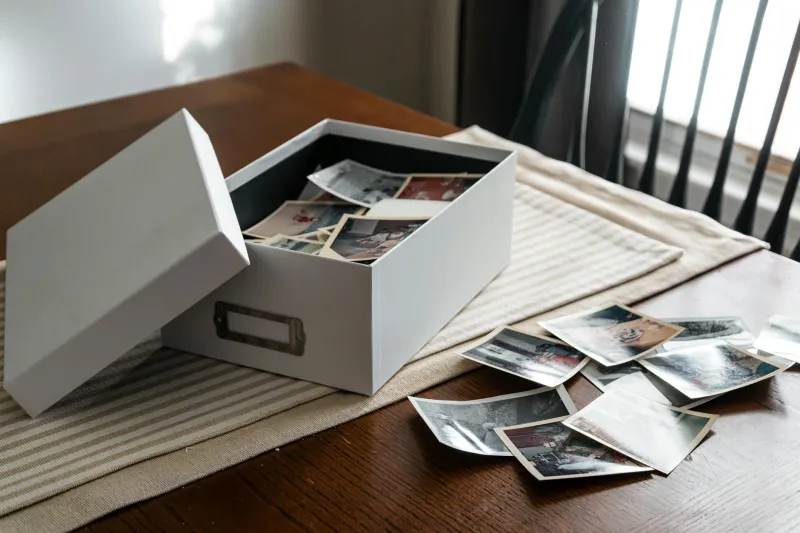
The real action happened in the schoolyard. Kids would flip cards against the brick wall behind the gymnasium, winner takes all. A Mickey Mantle might trade for three lesser Yankees, or maybe a couple of hot rookies everyone was talking about. Cards lived in shoeboxes under beds, held together with rubber bands, corners bent from handling. The most prized ones went into plastic sleeves—if you were really serious about it.
That quarter bought you entry into a world where every pack might contain magic.
When Everyone Had Everything
By 1987, something had shifted. The hobby was booming, and companies noticed. Topps lost its monopoly, and suddenly Donruss, Fleer, Score, and Upper Deck flooded the market. Production numbers skyrocketed from millions to billions of cards annually. Every grocery store, gas station, and pharmacy had cards. Kids who'd never watched a baseball game were ripping packs.
The unintended consequence? Scarcity disappeared overnight.
Those 1989 Upper Deck Ken Griffey Jr. rookies that seemed so valuable? Upper Deck printed them by the truckload. The 1990 Leaf Frank Thomas that dealers were pushing for $50? There were probably a million of them sitting in factory cases. Parents bought cards by the case, thinking they were funding their children's college education.
Instead, they were watching the bottom fall out of a market that had thrived on genuine rarity.
The Great Crash Nobody Talks About
By 1994, the junk wax era had killed the golden goose. Card shops that had multiplied like rabbits during the boom started closing. Kids moved on to video games and Pokemon. The secondary market collapsed so thoroughly that you could buy a complete set of 1991 Topps—792 cards—for less than what a single pack cost at retail.
Baseball cards became the punchline to jokes about bad investments. Garage sales were full of boxes that parents had paid hundreds for, now marked at $5 and finding no takers. The hobby that had sustained American childhoods for nearly a century looked dead.
But in dusty closets and forgotten storage units, something was happening. Time was creating what the printing presses had destroyed: genuine scarcity.
The Resurrection
Sometime around 2016, a funny thing happened. The kids who'd grown up flipping cards in the 1980s were now adults with disposable income and a serious case of nostalgia. Social media showed them what their childhood cards were selling for, and the numbers were shocking.
That 1986 Fleer Michael Jordan rookie—not even a baseball card—was selling for thousands. A pristine 1952 Topps Mickey Mantle broke auction records regularly. But more importantly, people started caring about condition in ways that would have baffled earlier generations.
Enter the grading companies. PSA and BGS turned card evaluation into a precise science, with numerical grades that could make or break a card's value. A 1989 Upper Deck Griffey in mint condition might be worth $20. The same card graded a perfect 10? Try $2,000.
When Cardboard Became Currency
The pandemic accelerated everything. Stuck at home with stimulus checks and childhood memories, Americans rediscovered cards with the intensity of a gold rush. A PSA 9 1952 Topps Mickey Mantle sold for $5.2 million in 2021—more than most people's houses.
Suddenly, storage units became treasure vaults. Estate sales turned into archaeological expeditions. Cards that had been worthless for decades were commanding prices that made early Bitcoin investors jealous.
The difference between then and now isn't just the money—it's the entire relationship with the cards themselves. Today's high-end cards live in climate-controlled facilities, sealed in plastic tombs, traded like stocks but never touched. The playground ritual of examining a card's corners, feeling its texture, even smelling that distinctive cardboard scent—all of that's gone.
What We Lost in Translation
There's something profound about a hobby that went from pure joy to pure investment. The kid with a shoebox full of 1970s cards knew every player's stats, could tell you stories about dramatic games and clutch hits. Today's collector might own a $50,000 card of a player whose name they can't pronounce.
The mathematics are staggering: that quarter pack from 1975, adjusted for inflation, would cost about $1.25 today. Instead, a single pack of high-end cards can run $500 or more. We've created artificial scarcity through premium products, serial numbering, and limited print runs—everything the hobby used to have naturally.
Maybe that's progress. Maybe turning childhood memories into retirement funds is the ultimate American success story. But something feels lost in the translation from playground currency to Wall Street commodity—the simple magic of not knowing what you'd find in that next pack, and not caring about anything except the thrill of discovery.