The Doctor Who Came to You
Dr. Harrison kept his black medical bag in the front seat of his 1952 Buick, ready for house calls that came at all hours. He'd delivered half the babies in town, set broken bones on kitchen tables, and diagnosed everything from whooping cough to appendicitis in living rooms across three counties. When the Johnsons' youngest spiked a fever at midnight, they didn't load him into a car for an emergency room visit — they called Dr. Harrison, and he came.
A typical house call in 1955 cost five dollars, roughly $55 in today's money. That included the examination, basic treatment, and often a follow-up visit to check on progress. Dr. Harrison extended credit to families who couldn't pay immediately, keeping informal tabs that might stretch across seasons until the harvest came in or the factory job started up again.
Compare that to today's healthcare landscape, where the average emergency room visit costs $2,200, a specialist consultation runs $350, and many Americans delay medical care not because the doctor isn't available, but because they can't afford the co-pay.
The Intimacy of Small-Town Medicine
What made the old system work wasn't just economics — it was relationships. Dr. Harrison knew that Martha Wilson's "headaches" got worse when her husband was drinking. He understood that the Peterson boy's stomach problems flared up before school tests. He could spot depression in Mrs. Chen's posture before she said a word about feeling tired.
This wasn't just folksy bedside manner. It was diagnostic gold. When you've treated three generations of the same family, you know that the Kowalskis tend toward heart problems, the Garcias have strong bones but weak lungs, and the Murphy clan carries a genetic predisposition to diabetes that won't show up in blood work for another decade.
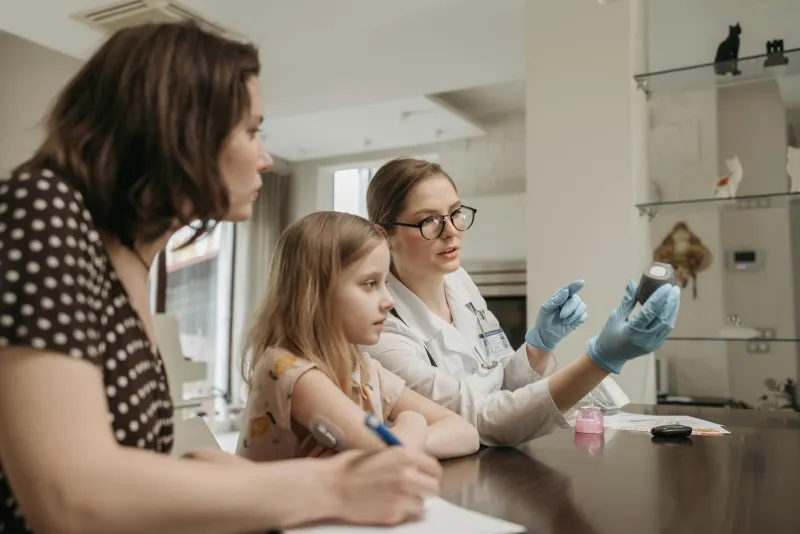
Today's physicians see patients for an average of 12 minutes per appointment. They're often meeting patients for the first time, working from computer screens that display medical histories but not family stories. The depth of knowledge that came from treating entire families across decades has been replaced by specialized expertise that's undeniably more advanced but fundamentally less personal.
What the Black Bag Actually Contained
Dr. Harrison's medical bag was a portable emergency room by 1950s standards. It held a stethoscope, blood pressure cuff, thermometer, and basic medications like aspirin, digitalis for heart conditions, and sulfa drugs for infections. He carried surgical instruments for minor procedures, suturing supplies for cuts, and even basic dental tools for emergencies.
More importantly, he carried the knowledge to use everything in that bag. General practitioners of the era were trained to handle childbirth, set bones, remove appendixes, and treat mental health crises. They were medical generalists in the truest sense, capable of managing 90% of health problems without referrals.
Today's medicine has gained incredible specialization — we have doctors who focus solely on left knees or particular types of heart rhythms. This specialization has produced miraculous treatments and extended lifespans dramatically. But it's also created a healthcare system where patients often see five different doctors for interconnected problems that Dr. Harrison might have treated as a single condition.
The Economics That Broke
The transformation of American medicine from Dr. Harrison's model to today's system wasn't driven by medical necessity — it was driven by economics. In 1965, Medicare and Medicaid changed how doctors got paid, shifting from direct patient payments to insurance reimbursements. This created new opportunities for physicians to earn more money, but it also introduced layers of bureaucracy that hadn't existed before.
Hospitals, once primarily charity institutions run by religious organizations, became profit centers. Medical schools, responding to new insurance money flowing into the system, began training specialists who could command higher fees than general practitioners. The simple economics of Dr. Harrison's five-dollar house call couldn't compete with the specialized procedures that insurance would reimburse at much higher rates.
By the 1980s, house calls had virtually disappeared. Doctors moved into medical buildings with multiple specialists, shared administrative costs, and higher patient volumes. The intimacy of the doctor-patient relationship became a luxury that the new economics of medicine couldn't support.
What We Gained and Lost
The advances in medical care since Dr. Harrison's era are undeniable. Cancer patients who would have faced certain death in 1955 now survive and thrive. Heart disease, once a quick killer, has become a manageable chronic condition. Premature babies who wouldn't have survived a day in 1955 now grow up healthy and normal.
Modern diagnostic tools can detect diseases years before symptoms appear. Surgical techniques have become so precise that doctors can operate on beating hearts and remove brain tumors without permanent damage. The medications available today would seem like magic to Dr. Harrison — pills that can prevent heart attacks, control diabetes, and treat depression with remarkable effectiveness.
But something essential was lost in the transformation. The doctor who knew your family history, your work stress, your financial struggles, and your fears could often diagnose problems that today's specialists miss. The physician who had time to really listen could catch early warning signs that get overlooked in 12-minute appointments focused on specific symptoms.
The Trust Factor
Perhaps most significantly, we lost the trust that came with long-term relationships. Dr. Harrison's patients followed his advice because they'd seen him help their neighbors, deliver their children, and care for their parents. When he recommended a treatment, they knew it came from decades of experience with their specific family and community.
Today's patients often see different doctors for each visit, creating relationships that feel more transactional than therapeutic. The rise of patient reviews, medical malpractice concerns, and corporate healthcare has created distance between doctors and patients that didn't exist when medicine was practiced in living rooms and corner offices.
The Road We Didn't Take
Other countries managed to modernize their medical systems without completely abandoning the family doctor model. In many European nations, general practitioners still serve as the primary point of contact for patients, coordinating care with specialists while maintaining long-term relationships with families.
America chose a different path, one that prioritized specialization and technology over relationships and continuity. We gained remarkable medical capabilities but lost something equally valuable — the doctor who knew not just your medical history, but your life story, and could treat both with equal skill and compassion.
The black bag is gone, replaced by electronic health records and specialized equipment that can diagnose conditions Dr. Harrison never dreamed of. But sometimes, in the sterile efficiency of modern healthcare, we might wonder what else disappeared when doctors stopped making house calls and started seeing patients by appointment only.