The $5 Sunday That Built America's Pastime
In 1975, Jim Patterson loaded his wife and two kids into their Ford station wagon every other Sunday during baseball season. The destination: Municipal Stadium in Cleveland. The damage to his wallet: roughly $18 for four tickets, parking, hot dogs, and Cracker Jacks. As a machinist pulling down $12,000 a year, Jim could afford this ritual without checking his bank balance or skipping grocery money.
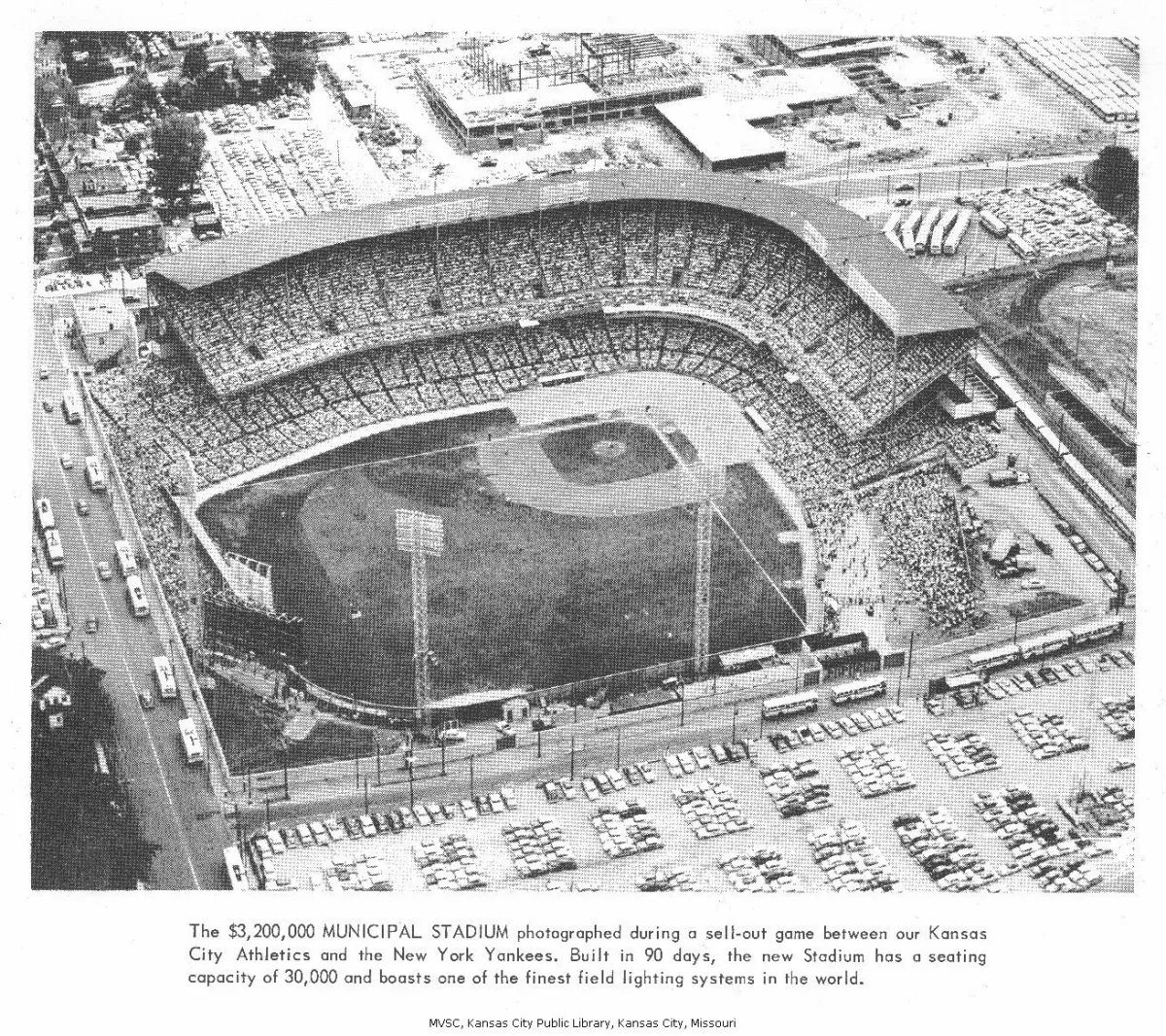 Photo: Municipal Stadium, via images.squarespace-cdn.com
Today, Jim's grandson makes $65,000 annually as a software developer—more than five times what grandpa earned. But taking his own family of four to a Cleveland Guardians game? That'll run him $347 for decent seats, parking, and the same ballpark food. Adjusted for inflation, Jim's 1975 outing would cost about $95 today. Somehow, baseball got nearly four times more expensive while everything else just doubled or tripled.
When the Bleachers Were Democracy in Action
The old ballpark wasn't trying to be an "experience." It was a place where a steelworker sat next to a bank manager, where kids collected autographs instead of buying $89 jerseys, where the biggest decision was whether to spring for a beer or stick with Coca-Cola. General admission tickets at most stadiums ran $1.50 to $3.00. Reserved seats topped out around $5.50, even in major markets.
Parking was often free, handled by local guys who knew the neighborhood. Concession prices followed a simple rule: charge enough to make money, but not so much that a working dad felt stupid for buying his kid a hot dog. A beer cost maybe twice what you'd pay at the corner store. A hot dog was marked up, sure, but not by 400%.
The stadiums themselves reflected this democratic approach. Most were built between 1910 and 1970, designed to pack in as many people as possible at prices those people could actually afford. Fenway Park, Wrigley Field, and the old Yankee Stadium weren't "experiences"—they were functional spaces where baseball happened and regular folks could afford to watch.
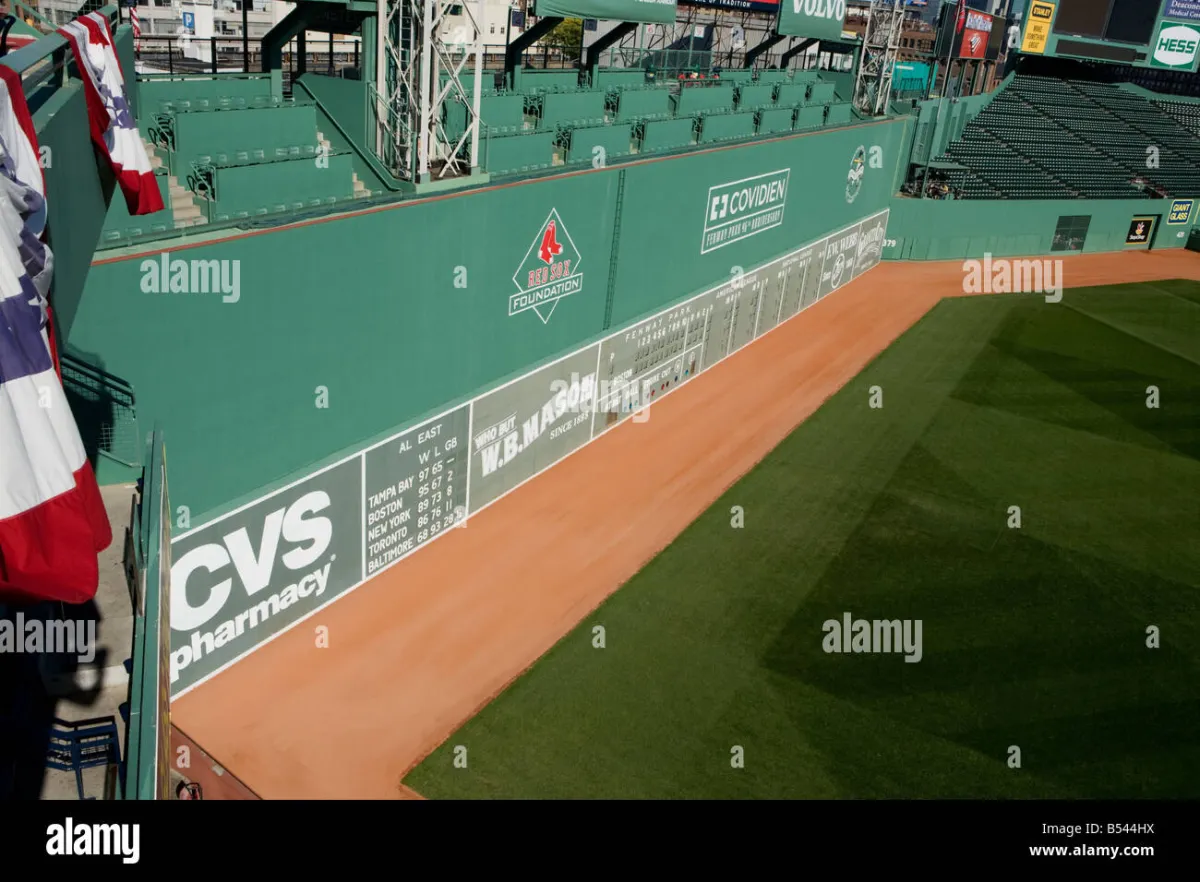 Photo: Fenway Park, via c8.alamy.com
The Luxury Box Revolution Changes Everything
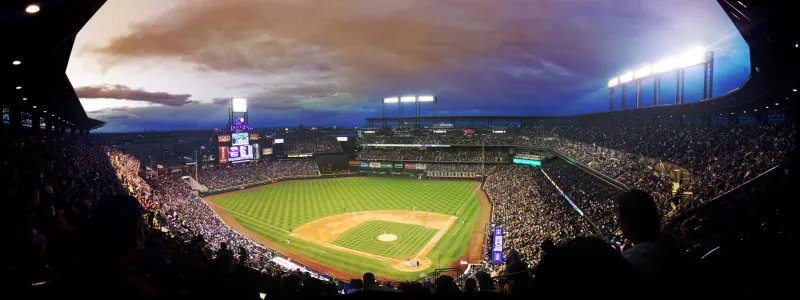
Something shifted in the 1990s. New stadiums started appearing with corporate naming rights, club levels, and amenities that had nothing to do with baseball. Camden Yards in Baltimore, opened in 1992, became the template: beautiful, expensive, and designed to maximize revenue per square foot.
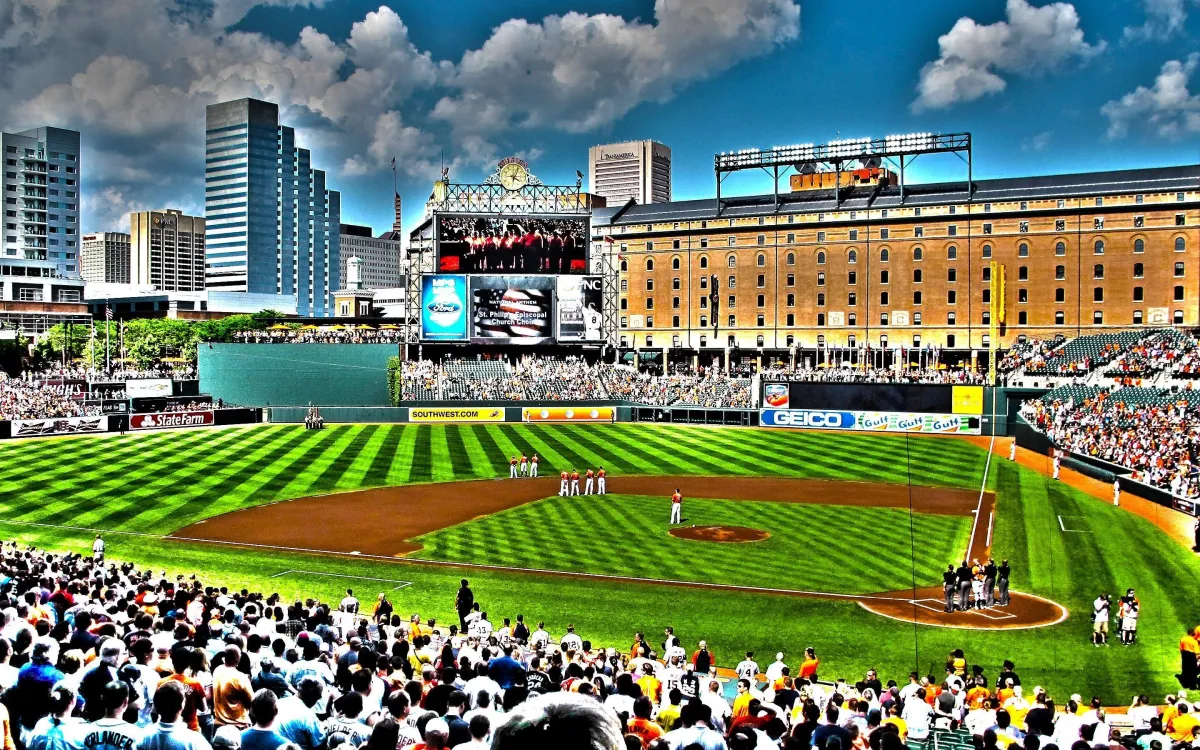 Photo: Camden Yards, via wallpaperaccess.com
Suddenly, teams realized they could charge $25 for what used to cost $5, as long as they threw in some marble restrooms and craft beer options. The new math was simple: fewer fans paying much more money generated higher profits than packed stadiums full of working families.
Today's average MLB ticket costs $35.07, but that's misleading. "Average" includes nosebleed seats that still run $15-20. Anything with a decent view of the action starts around $50-75 in most cities. Add parking ($25-40), two beers ($24), two hot dogs ($16), and a soft pretzel for the kid ($8), and you're looking at $200+ before you've bought a single souvenir.
The Hidden Costs of the "Premium Experience"
Modern stadiums aren't just more expensive—they're designed to extract money at every turn. Dynamic pricing means ticket costs fluctuate like airline fares. Parking has been outsourced to companies that treat a baseball game like a downtown business district. Concessions are operated by hospitality corporations focused on profit margins rather than fan experience.
The result is a feedback loop that prices out exactly the families who built baseball's cultural significance. When a night at the ballpark costs more than a car payment, it stops being a casual outing and becomes a special occasion. When special occasions require financial planning, they happen less frequently.
What We Lost When Baseball Became a Luxury
Jim Patterson's generation didn't just go to baseball games—they were part of baseball culture. Kids learned the game by watching dozens of games per season, not by catching highlights on social media. Fathers and sons bonded over shared frustration with relief pitchers and shared joy when the home team pulled out a late-inning victory.
That cultural transmission required accessibility. When baseball was affordable, it was woven into the fabric of American summer. Families could afford to be disappointed by a loss because they'd be back in two weeks. Kids could develop genuine loyalties to players they saw regularly, not just during special occasions.
The Numbers Don't Lie
Between 1975 and 2023, the median household income in America increased by about 540%. During the same period, the cost of attending a baseball game increased by roughly 1,300%. This isn't inflation—it's transformation.
A family earning median income in 1975 could attend about 15 games per season for 1% of their annual income. Today, that same percentage buys them three games, maybe four if they stick to the cheap seats and skip the concessions.
The Irony of America's Pastime
Baseball calls itself America's pastime, but it's priced itself out of reach for much of America. The sport that once represented democratic values—where a hot dog vendor's kid could dream of playing alongside a millionaire's son—now reflects our broader economic stratification.
Jim Patterson's Sunday ritual created memories that lasted decades and cost less than a tank of gas. His grandson's family makes those same memories, but they require budgeting, planning, and trade-offs that would have baffled the previous generation. The game on the field remains the same, but the game of affording to watch it has changed completely.