When Getting Across Town Was as Simple as Getting in the Car
The Promise of the Open Road
In 1962, a Detroit autoworker could finish his shift at 3:30 PM, drive home to his suburban ranch house, and still have time to mow the lawn before dinner. The 12-mile journey from the River Rouge plant to his neighborhood in Dearborn took maybe 20 minutes on a bad day. Traffic lights were timed for 35 mph cruising, parking was free and plentiful, and the biggest transportation worry was whether to take the scenic route.
 Photo: River Rouge, via image.shutterstock.com
That America feels like a different planet now.
When Cities Moved at Car Speed
The postwar boom created something unprecedented in human history: cities designed entirely around the automobile. Between 1945 and 1970, American urban planners built a transportation paradise for the middle class. Interstate highways carved efficient paths through city centers. Suburban developments spread out along wide boulevards with synchronized traffic signals. Downtown cores were hollowed out and replaced with parking structures that could hold thousands of cars.
The numbers tell the story of this lost world. In 1969, the average American commute was 9.7 miles and took 22 minutes. Rush hour in most cities lasted about an hour. You could drive from Manhattan's Financial District to Queens in 35 minutes at 5 PM on a Tuesday. Los Angeles, even then a car-centric metropolis, moved traffic at an average speed of 35 mph during peak hours.
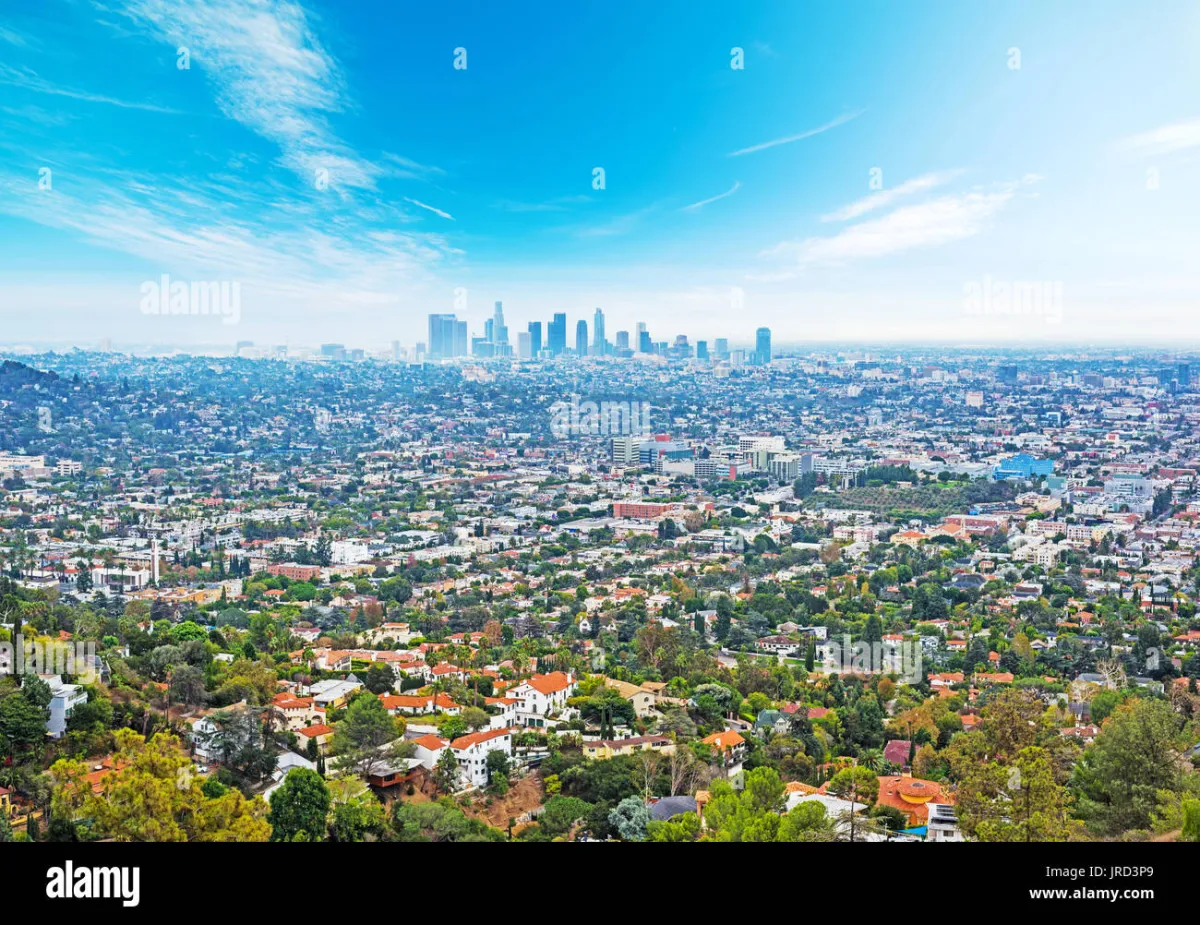 Photo: Los Angeles, via c8.alamy.com
The Great Slowdown
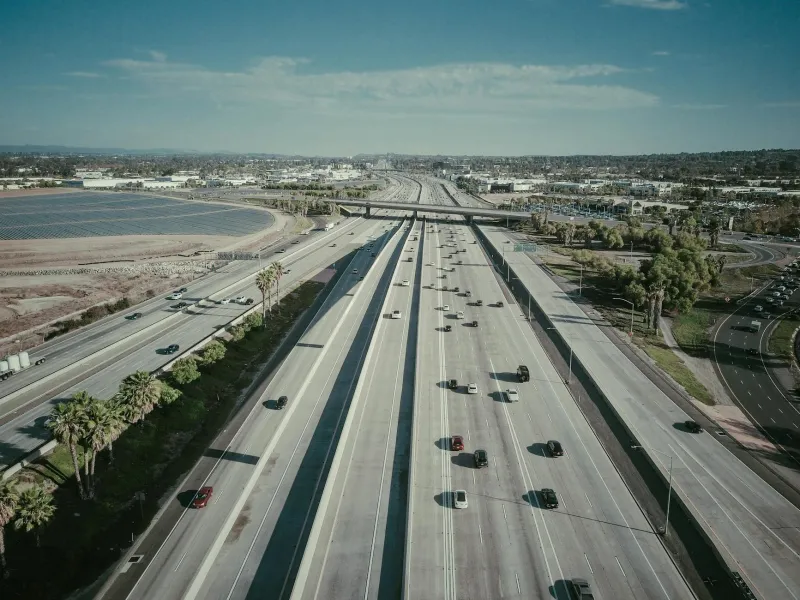
Somewhere between then and now, American cities broke. Today's average commute covers 12.1 miles but takes 54 minutes. Rush hour stretches from 6 AM to 10 AM and again from 3 PM to 7 PM. In major metropolitan areas, traffic moves at medieval speeds — literally. The average rush-hour velocity in Los Angeles is 24 mph, slower than a horse-drawn carriage in 1900.
The transformation happened gradually, then all at once. Cities that were built for 2 million people now house 8 million. Highways designed for 50,000 vehicles per day now carry 300,000. What were once smooth arterial roads became choked bottlenecks as suburban sprawl pushed commuters farther from job centers.
The Hidden Tax of Modern Movement
The real shock isn't just the time — it's what that time costs. Americans now spend 99 hours per year stuck in traffic, compared to 16 hours in 1970. That's two and a half work weeks of productivity lost to sitting in cars. For the average worker, traffic delays cost $1,400 annually in wasted time and fuel.
But the deeper change is psychological. The generation that built postwar America saw driving as freedom. The car was liberation from crowded cities, from rigid public transit schedules, from the limitations of walking distance. Today's drivers experience cars as mobile prisons, crawling through gridlocked landscapes where a 15-minute errand requires an hour of planning.
When Public Transit Actually Worked
The cruel irony is that many American cities once had world-class public transportation. Los Angeles operated the largest electric railway system on Earth until 1961. Detroit's streetcar network could get you anywhere in the city for a nickel. San Francisco's cable cars weren't tourist attractions — they were how people actually got to work.
These systems were systematically dismantled to make room for cars and highways. The assumption was that private automobiles would be more efficient, more convenient, more American than mass transit. For about 20 years, that assumption held true. Then the math stopped working.
The Price of Car Dependency
Today's transportation reality would have seemed like dystopian science fiction to 1960s urban planners. Americans spend more time commuting than they do exercising, cooking, or socializing with friends. The average household devotes 20% of its income to transportation — more than food, clothing, and healthcare combined.
Working parents coordinate their entire lives around traffic patterns. They leave for work before their children wake up, not because their jobs start early, but because leaving at 7:30 AM means arriving by 8:30 AM, while leaving at 8:00 AM means arriving at 9:15 AM. Families choose homes based on school districts and commute times, often sacrificing neighborhood quality for highway access.
The Cities That Time Forgot
A few American cities managed to avoid this fate. Portland invested in light rail instead of more freeways. Washington, D.C., expanded its Metro system. New York never fully embraced car dependency, maintaining a dense urban core served by public transit.
These cities offer glimpses of what America lost. In Manhattan, you can still get from point A to point B faster than in most suburban areas, despite the density. Portland's commute times have remained relatively stable for 30 years, even as the city's population doubled.
The Way We Were
The America of smooth-flowing traffic and 20-minute cross-town drives wasn't perfect. Those efficient transportation systems were built through massive public investment and often destroyed thriving urban neighborhoods. The car-centric city contributed to suburban sprawl, environmental degradation, and the decline of walkable communities.
But there's something haunting about old footage of American highways in the 1960s — the open lanes, the reasonable speeds, the sense that the city was built for human movement rather than human storage. It's a reminder that the daily frustration of modern commuting isn't inevitable. It's the result of specific choices about how to build cities and move people.
The question isn't whether we can return to that world. It's whether we can build something better — cities where getting across town doesn't require surrendering two hours of your day to traffic, where transportation serves people instead of trapping them.