The Season That Paid the Bills
Every June from 1962 to 1987, Bob Kowalski traded his high school chemistry classroom for the assembly line at Ford's Dearborn plant. The summer job paid better than his teaching salary—sometimes twice as much for three months of work. By August, Bob had earned enough to take his family on vacation, fix the roof, and still sock away money for Christmas.
Bob wasn't moonlighting out of desperation. He was participating in an American economic tradition that made summer the most lucrative season for millions of workers. Teachers, construction crews, college students, and anyone willing to work extra shifts could count on June through August to significantly boost their annual income. Summer work wasn't a side hustle—it was a financial strategy.
Today, that same Ford plant offers seasonal positions at $16 per hour with no benefits. Bob's grandson, a teacher making $48,000 annually, tried working at Amazon's fulfillment center last summer. After taxes, gas, and the cost of work clothes, he netted about $2,800 for three months of 40-hour weeks. It barely covered his student loan payments.
When Factories Needed Bodies More Than Degrees
The golden age of summer employment ran roughly from 1945 to 1985, driven by an economy that valued labor over credentials. Manufacturing plants ramped up production during warm months when transportation was easier and demand peaked. They needed bodies on assembly lines, and they paid well to get them.
Auto plants, steel mills, and chemical companies offered summer positions that paid $8-12 per hour when minimum wage was $3.35. These weren't entry-level jobs—they were skilled positions that required training, offered overtime opportunities, and came with the implicit promise of steady work for anyone willing to show up on time and work hard.
Teachers had a particular advantage in this system. Their summer break aligned perfectly with peak manufacturing demand. School districts understood that teachers needed supplemental income, and factories understood that teachers brought education, reliability, and work ethic to their summer crews.
The Teacher's Summer Jackpot
In 1975, the average teacher earned about $11,000 during the school year. A summer job at the local factory could add another $3,000-5,000 to that total—a 30-45% increase in annual income. This wasn't pocket money; it was mortgage payment money, vacation fund money, new car money.
Mary Chen taught fourth grade in Detroit and spent her summers at the Chrysler plant. She'd arrive at 6 AM, work until 2:30 PM, and still have time to tend her garden and spend evenings with her kids. The work was physical but straightforward, and the paycheck was reliable. By the end of August, Mary had earned enough to cover her family's school clothes, Christmas presents, and a week at a Michigan lake cottage.
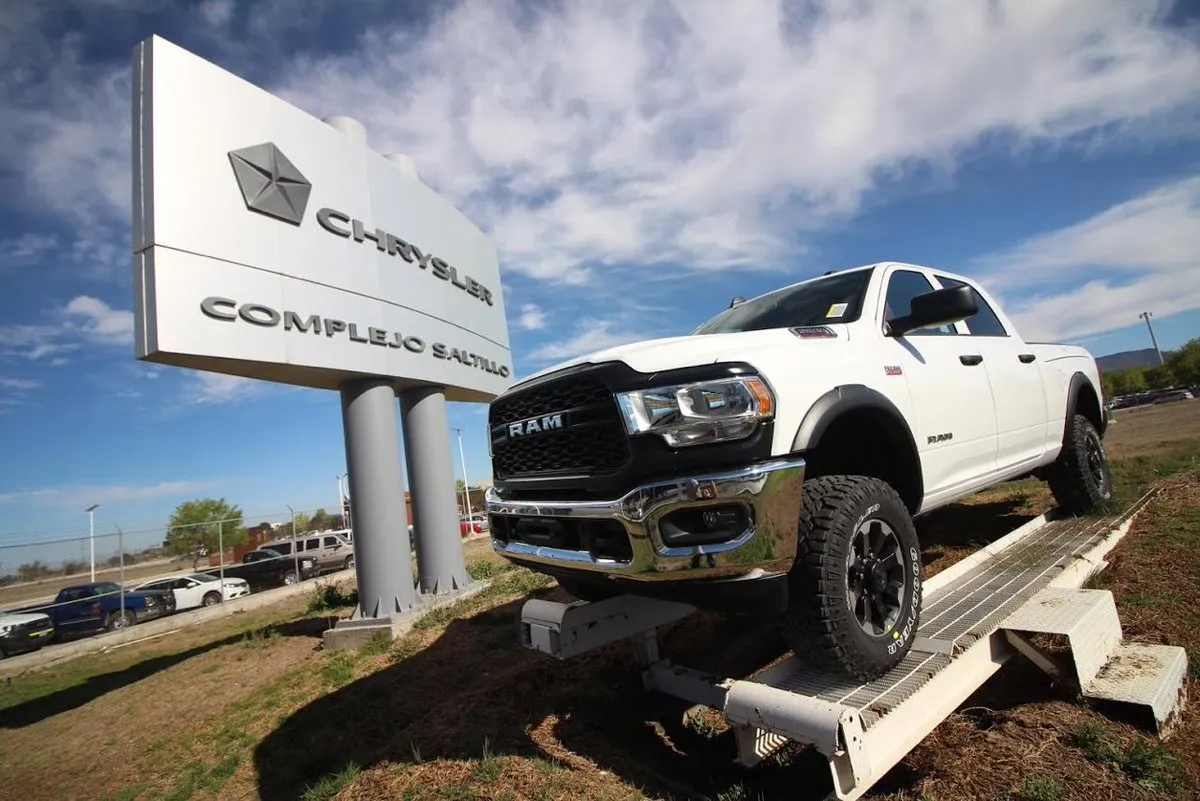 Photo: Chrysler plant, via grupo-sacmag.com.mx
The social aspect mattered too. Summer jobs created temporary communities where teachers worked alongside steelworkers, college students labored next to career factory hands, and everyone shared the common goal of maximizing their earning potential during the profitable months.
When Construction Meant Real Construction
Construction work followed a similar pattern. Summer was building season, and contractors needed crews to frame houses, pour concrete, and install roofing before winter returned. These jobs paid well because the work was skilled, the demand was seasonal, and the industry operated on tight timelines.
A college student could make $6-8 per hour doing construction in 1978—double the minimum wage and enough to pay for tuition, books, and living expenses for the entire school year. The work was hard, but the math was simple: three months of summer construction could fund nine months of education.
Many young men built careers this way, starting as summer laborers and gradually learning trades that would support families for decades. The pathway from summer job to skilled tradesman was well-established and financially viable.
The Service Economy Shift
Something fundamental changed in the 1990s. Manufacturing jobs moved overseas or became automated. Construction work increasingly required specialized skills and certifications that took years to develop. The economy shifted toward service jobs that paid less, offered fewer hours, and provided minimal opportunities for advancement.
Today's summer jobs are largely in retail, food service, and hospitality—industries that have mastered the art of minimizing labor costs. Instead of $20+ per hour manufacturing work, summer employees compete for $12-15 per hour service positions that offer 25-30 hours per week instead of 40-50.
The gig economy has filled some of this gap, but with crucial differences. Uber driving, DoorDash delivery, and TaskRabbit jobs offer flexibility but no guaranteed income, no benefits, and significant vehicle expenses that eat into earnings. A teacher who once earned $5,000 per summer at the factory might now gross $3,000 driving for ride-share companies—and net considerably less after gas, maintenance, and vehicle depreciation.
The New Math Doesn't Add Up
Adjusted for inflation, Bob Kowalski's 1975 summer job at Ford would pay about $85,000 annually in today's dollars. His actual summer earnings would equal roughly $18,000 in 2023 purchasing power. Today's seasonal Amazon worker earns about $8,000 for the same three-month period—less than half the buying power Bob enjoyed nearly 50 years ago.
This isn't just about manufacturing decline. It's about the fundamental shift from an economy that rewarded physical labor to one that demands credentials, experience, and specialized skills for decent-paying work. Summer jobs used to bridge the gap between formal education and real earning power. Now they're often stepping stones to other stepping stones.
What We Lost When Summer Stopped Paying
The death of lucrative summer work represents more than just an economic shift—it's a cultural transformation. When teachers could double their income by working summers, teaching attracted people who valued both education and financial stability. When college students could fund their entire education with three months of construction work, higher education was accessible to working-class families.
The social mobility engine that summer work once represented has largely disappeared. Today's college students graduate with debt that would have been unimaginable in the era when summer jobs could cover tuition. Teachers increasingly need year-round second jobs instead of profitable seasonal work.
The Dignity of Seasonal Labor
There was dignity in the old summer job system that extended beyond the paycheck. A teacher who could handle factory work earned respect from blue-collar colleagues. A college student who could frame houses learned skills that lasted a lifetime. The temporary nature of the work created camaraderie rather than competition—everyone was there for the same reason, and everyone understood it was temporary.
Modern gig work lacks this social dimension. Driving for Uber is largely solitary. Working retail involves interacting with customers rather than colleagues. The shared experience of earning good money through honest work has been replaced by individual hustles that isolate rather than connect.
The Season That No Longer Delivers
June still arrives every year, but it no longer brings the financial opportunities that previous generations could count on. The summer job remains an American tradition, but it's been hollowed out by economic forces that prioritize efficiency over employment, credentials over capability, and profit margins over worker prosperity.
Bob Kowalski's grandson still looks for summer work, but he's looking for something that barely exists anymore: a job that pays enough to matter, offers enough hours to make a difference, and provides the dignity that comes from earning real money through honest work. He's searching for an economic opportunity that died sometime between the last Ford plant closing and the first Amazon warehouse opening—when America's summer stopped paying.