The Doctor's Office That Made Sense
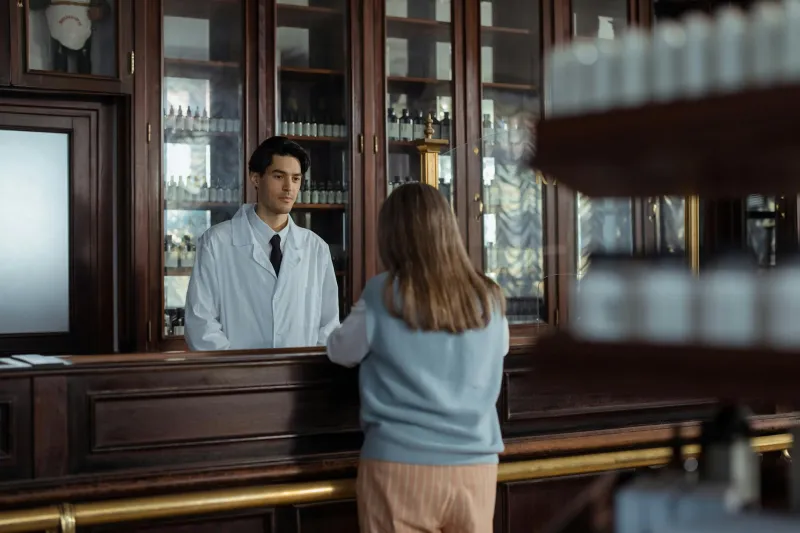
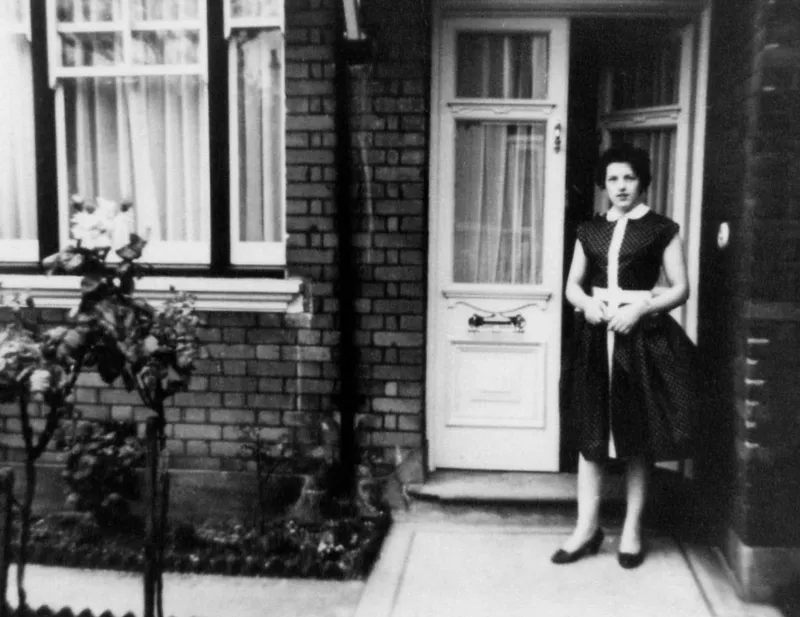
In 1972, when Margaret felt chest pains, she called Dr. Peterson's office at 9 AM. His receptionist, Betty, answered on the second ring, recognized Margaret's voice, and scheduled her for 2 PM that same day. Margaret showed up fifteen minutes early, sat in a waiting room with six other people, and was called back within twenty minutes.
 Photo: Dr. Peterson, via miro.medium.com
Dr. Peterson examined her, diagnosed mild anxiety related to her recent divorce, prescribed a mild sedative, and charged her $15. She paid Betty in cash, got her prescription filled at Murphy's Pharmacy down the street, and was home by 4 PM. The entire experience — from phone call to treatment — took seven hours.
 Photo: Murphy's Pharmacy, via www.youghalchamber.ie
That world is gone. Today, the same chest pain would trigger a process so complex it would make Margaret dizzy before she ever saw a doctor.
The Modern Medical Marathon
Today's Margaret starts her healthcare journey not with a phone call, but with a patient portal. She creates an account, verifies her identity, uploads her insurance card, and navigates through dropdown menus to describe her symptoms. The earliest available appointment is in three weeks.
But first, she needs pre-authorization from her insurance company. That requires a phone tree with seventeen options, a twenty-minute hold, and a conversation with someone in Tampa who's never met her doctor. The authorization takes five business days.
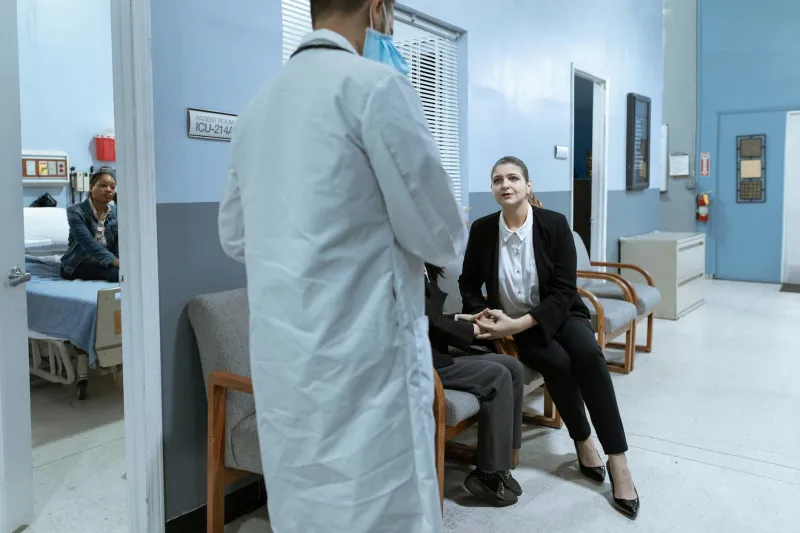
When appointment day finally arrives, Margaret checks in electronically, updates her medical history on a tablet, and waits forty-five minutes past her scheduled time. The doctor spends twelve minutes with her, orders an EKG "just to be safe," and refers her to a cardiologist.
The cardiologist appointment requires a new referral process, a different pre-authorization, and another three-week wait. Meanwhile, Margaret receives separate bills from the doctor, the clinic, the EKG technician, and the laboratory that processed her blood work — none of which she remembers having done.
Six weeks after her chest pain started, Margaret finally gets the same diagnosis Dr. Peterson would have given her in 1972: anxiety. But now she's also anxious about the $1,200 in medical bills that her insurance "processed" but didn't fully cover.
When Healthcare Was Between You and Your Doctor
The 1970s medical system wasn't perfect, but it was direct. You had a relationship with a doctor who knew your history, your family, and often your fears. When you called with a problem, you talked to someone who recognized your voice and understood your situation.
Dr. Peterson kept handwritten notes in manila folders. He remembered that Margaret's mother died of heart disease, that she was going through a divorce, and that she tended to worry. When she called with chest pains, he had context. He could make decisions based on twenty years of treating her family.
Billing was equally straightforward. You paid the doctor, the doctor paid his staff, and insurance — if you had it — reimbursed you later. There were no networks, no pre-authorizations, no explanation of benefits forms that explained nothing.
The Bureaucracy That Ate Healthcare
What happened between 1972 and today wasn't just technological advancement. It was the insertion of multiple layers of administration between patients and care. Every improvement designed to make healthcare more efficient, more standardized, or more cost-effective added another step to the process.
Electronic health records were supposed to make information sharing seamless. Instead, doctors now spend more time typing than talking. Patient portals promised 24/7 access to care. Instead, they created another barrier between patients and the human beings who could actually help them.
Insurance networks were designed to control costs by creating preferred providers. Instead, they turned every medical decision into a negotiation between your doctor, your insurance company, and a computer algorithm that's never seen your face.
The Paradox of Advanced Medicine
Here's the strangest part: medicine has never been more effective. Doctors today can diagnose conditions that would have baffled Dr. Peterson, prescribe medications that didn't exist in 1972, and perform procedures that were science fiction forty years ago.
But accessing that advanced care requires navigating a system so complex that many people give up before they get help. A 2023 survey found that 28% of Americans skipped medical care they needed because dealing with the healthcare system felt too overwhelming.
Margaret's chest pain in 1972 was treated the same day by a doctor who knew her history. Margaret's chest pain today triggers a weeks-long process involving dozens of people, most of whom never see her face or learn her name.
When Waiting Rooms Were Just Waiting Rooms
The waiting room itself tells the story. In 1972, it was exactly what it sounded like — a place where you waited to see the doctor. You brought a magazine, maybe chatted with other patients, and expected to be called within a reasonable time.
Today's waiting room is a processing center. You check in electronically, update your information, confirm your insurance, review privacy policies, and sign consent forms — all before anyone determines whether you actually need medical care.
Many patients spend more time with the administrative staff than with the doctor. The actual medical consultation — the reason you came — has become the smallest part of the healthcare experience.
The Human Cost of Efficiency
The modern healthcare system optimizes for many things: legal compliance, insurance processing, data collection, and cost control. But it doesn't optimize for the thing that mattered most in 1972: the relationship between a sick person and the doctor trying to help them.
Dr. Peterson knew Margaret's voice when she called. Today's healthcare system knows her insurance ID number, her portal password, and her credit score. But the doctor treating her chest pain has never seen her before and may never see her again.
We've made healthcare more sophisticated, more regulated, and more technologically advanced. But we've also made it more impersonal, more complex, and more exhausting to navigate.
Margaret's chest pain in 1972 was just chest pain. Today, it's chest pain plus administrative anxiety, billing confusion, and the exhaustion that comes from being processed by a system that forgot why it exists in the first place.
Sometimes the most advanced solution is also the most human one. Dr. Peterson understood that fifty years ago. We're still trying to remember it today.