The Afternoon You Broke Your Arm Used to Cost Less Than a Night Out. Now It Costs More Than a Semester.
Somebody's kid falls out of a tree on a Tuesday afternoon. It happens. Always has. In 1965, a parent drove that kid to the local hospital, a doctor set the bone, a nurse wrapped it in plaster, and the family went home with a bill somewhere in the neighborhood of $30 to $50. Adjusted for inflation, that's roughly $300 today. Painful, sure — but manageable. You paid it, you moved on, you maybe skipped the family vacation that year.
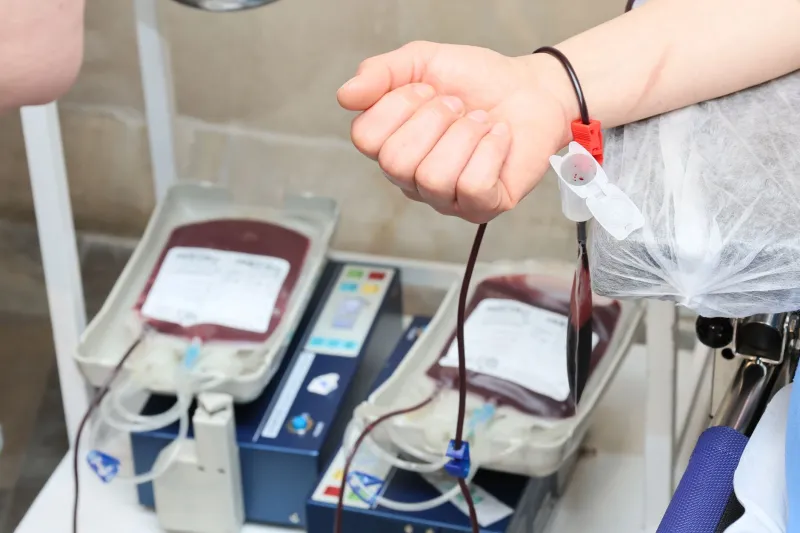
Now picture the same kid, the same tree, the same Tuesday. The ER visit alone — before anyone touches the arm — runs $1,500 to $3,000 just to walk through the door. Add imaging, the orthopedic consult, the cast materials, and whatever your insurance decides it doesn't feel like covering, and a simple fracture can land somewhere between $5,000 and $15,000 depending on your zip code and the fine print of your plan. That's not a bad afternoon. That's a debt that follows a family for years.
When Disasters Were Inconveniences
There's a version of America — not ancient history, just a few decades back — where ordinary emergencies were sized to match ordinary incomes. A fender bender in 1972 might cost $80 to fix at a local body shop where the owner knew your name and wasn't running the repair through three layers of insurance software. A kitchen grease fire that scorched the cabinets? A neighbor who did carpentry on weekends could restore it for materials plus a case of beer. A burst pipe in January? The plumber came the same day and charged by the hour, not by the crisis.
None of this was easy. Working-class families in postwar America weren't flush. But the scale of a disaster matched what a family could reasonably absorb. You dipped into savings, you borrowed from a relative, you put in extra hours. The emergency was finite. You could see the other side of it.
That proportion — between what goes wrong and what it costs to fix — has collapsed in the decades since.
The Numbers That Stopped Making Sense
Consider a few comparisons that make the shift concrete.
In 1975, the average emergency room visit cost around $50. Today, the average ER bill runs over $2,600 — and that's before any procedures are performed. The Consumer Price Index says healthcare has outpaced general inflation by roughly four to one since 1980. What that means in plain English: medical costs haven't just risen with the times. They've sprinted ahead while wages walked.
Auto repairs tell a similar story. In 1980, a transmission rebuild might have cost $400 at a local garage. The same job today runs $3,000 to $5,000 at a dealership, partly because modern vehicles require specialized diagnostic equipment that independent shops can't always afford. The car got more complicated. The cost followed. Your mechanic's ability to improvise did not survive the transition.
Home repairs have drifted into their own stratosphere. A roof replacement that cost $3,000 in the mid-1990s now routinely runs $15,000 to $25,000 for a mid-sized house. Homeowner's insurance premiums have spiked so sharply in states like Florida, California, and Louisiana that insurers are simply leaving those markets — meaning the financial exposure of a bad storm now falls entirely on the family underneath it.
The Insurance Illusion
The standard response to all of this is: that's what insurance is for. And technically, that's true. But the insurance landscape has quietly shifted in ways that leave many Americans holding more of the bill than they realize.
High-deductible health plans — now the most common employer-sponsored coverage in the country — mean millions of families are responsible for the first $3,000 to $7,000 of any medical event before insurance pays a cent. A family carrying that kind of deductible isn't really insured against a broken arm. They're insured against financial ruin, maybe, while the ordinary disaster lands squarely on them.
And then there's the bill itself — a document so opaque that hospitals employ entire departments to generate it and patients hire advocates to decode it. The era of the single-page receipt your grandfather paid before he left the building is not coming back.
One Bad Afternoon
What's changed isn't just the dollar amounts. It's the psychological weight that now attaches to ordinary misfortune. A generation ago, Americans worried about big disasters — job loss, serious illness, a death in the family. The small disasters were just life. You handled them and forgot about them.
Today, a significant portion of the country is, statistically speaking, one bad afternoon away from a payment plan. The Federal Reserve has reported for years that roughly 40 percent of Americans couldn't cover an unexpected $400 expense from savings alone. Not $4,000. Not $40,000. Four hundred dollars.
The tree is still there. The kid still climbs it. The arm still breaks the same way it always did.
The difference is what happens next — and how long the family spends paying for it.