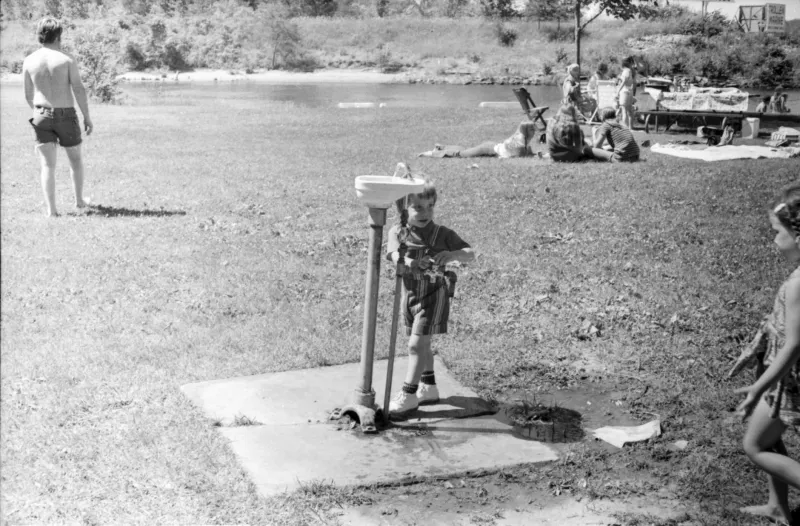
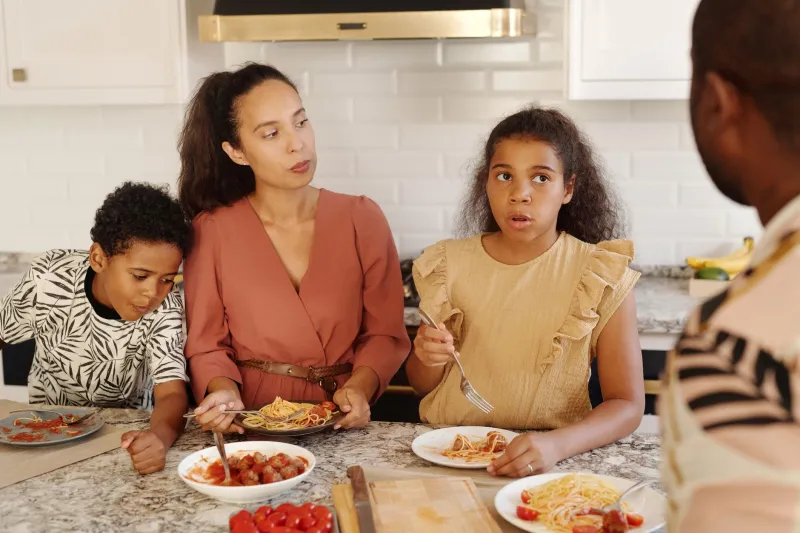
When the Block Had Everything You Needed and Everyone You'd Call
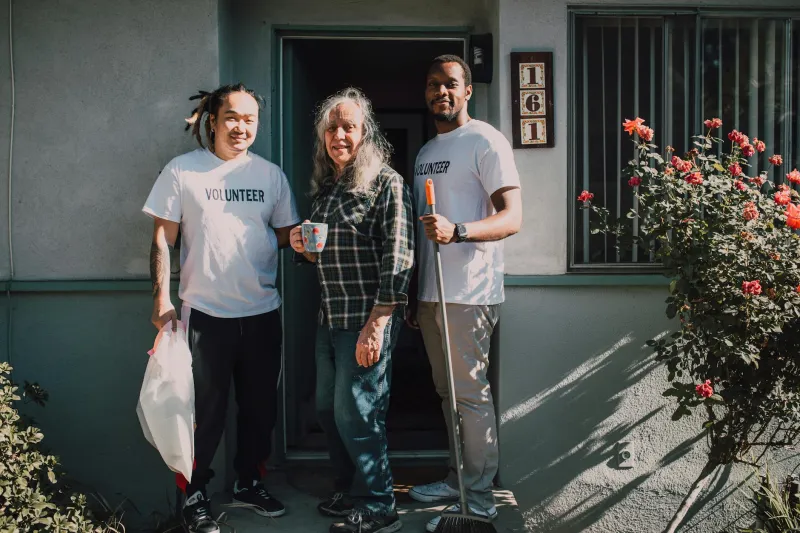
The Invisible Economy That Ran on Handshakes
Every Saturday morning in 1965, Jim Patterson walked two houses down to borrow his neighbor's lawn mower. In return, he'd spend Sunday afternoon helping install storm windows or repair a broken fence. Nobody kept score, nobody sent invoices, and nobody rated the experience on a five-star scale.
This wasn't charity or exceptional neighborliness—it was just how things worked. Americans lived in an informal economy of mutual aid that made daily life cheaper, simpler, and more connected. Your neighbor had tools you needed, skills you lacked, and time you could borrow. You had the same to offer in return.
Today, Jim's grandson pays $89 to have TaskRabbit hang a picture frame. His neighbor pays $120 for someone from Handy to assemble IKEA furniture. They've never spoken to each other, despite living thirty feet apart for three years.
The Toolkit That Everyone Shared
In mid-century America, neighborhoods functioned like extended households. Tools, equipment, and expertise circulated freely among families who understood that everyone benefited when resources were shared rather than duplicated.
Mrs. Rodriguez had the good sewing machine and altered clothes for half the block. Mr. Chen owned the only decent ladder and helped everyone hang Christmas lights and clean gutters. The Johnsons had a pickup truck that neighbors borrowed for dump runs and furniture moving. The Kowalskis grew vegetables and shared the surplus with anyone who helped with the harvest.
This system worked because people planned to stay put. The average American lived in the same house for twelve years in 1960, compared to five years today. When you expected to be neighbors for decades, investing in relationships made economic sense. You helped others knowing that you'd eventually need help yourself.
The Skills That Traveled Door to Door
Beyond sharing tools, neighbors traded services with an informality that would mystify today's gig economy. The teenager next door babysat your kids while you watched his younger siblings when his parents went out. The retired teacher down the street helped with homework in exchange for snow shoveling. The mechanic across the way fixed cars in his driveway and accepted payment in home-cooked meals and yard work.
These arrangements happened organically, without contracts or rating systems. People learned what their neighbors could do through casual conversation and observation. You knew who to call for plumbing help, who could fix a broken appliance, and who had the patience to teach your teenager to drive.
The quality was often better than professional services because the relationship mattered more than the transaction. Your neighbor had to live with the consequences of shoddy work, and their reputation in the community depended on treating you fairly.
When Children Were the Village Network
Kids served as the neighborhood's communication and labor network. They delivered messages between houses, helped elderly neighbors with grocery shopping, and provided simple services like dog walking and lawn mowing for pocket change.
More importantly, children were watched collectively. Parents didn't hire babysitters for quick errands—they asked neighbors to keep an eye on the kids playing outside. The whole block functioned as an extended childcare system, with multiple adults sharing responsibility for everyone's safety.
This informal arrangement saved families thousands of dollars annually in childcare costs while creating stronger community bonds. Children grew up knowing dozens of adults who cared about their welfare, and parents had built-in support systems during emergencies or difficult times.
The App That Killed the Conversation
The transformation didn't happen overnight, but technology accelerated the shift from community cooperation to commercial transactions. Why ask your neighbor to help move furniture when you can hire movers with a smartphone app? Why borrow tools when Amazon can deliver them tomorrow? Why learn to fix things when YouTube tutorials and service apps make expertise unnecessary?
Each technological solution solved a specific problem but eliminated opportunities for human connection. The TaskRabbit worker who assembles your bookshelf is efficient and professional, but they're gone in an hour and you'll never see them again. Your neighbor might take longer and do a less perfect job, but the relationship continues long after the task is finished.
The Economics of Isolation
Modern Americans spend significantly more money on services that were once handled through informal neighborhood networks. Professional childcare, lawn services, house cleaning, pet sitting, furniture assembly, and minor repairs—these represent billions of dollars in economic activity that barely existed when neighbors provided the same services for each other.
A 2019 study by the American Enterprise Institute found that the average household spends $3,200 annually on services that were commonly exchanged between neighbors in the 1960s. Adjusted for inflation, families in 1965 spent less than $400 per year on comparable services.
We've gained convenience and professional quality, but at the cost of community resilience and social connection. When neighbors don't depend on each other for practical help, they have fewer opportunities to develop the relationships that make communities strong.
The Social Capital We Traded Away
Sociologist Robert Putnam documented this shift in his landmark book "Bowling Alone," showing how Americans increasingly live isolated lives despite being more connected through technology than ever before. The informal favors and casual interactions that once bound neighborhoods together have been replaced by commercial transactions that require no ongoing relationship.
 Photo: Bowling Alone, via imgv2-1-f.scribdassets.com
 Photo: Robert Putnam, via www.charterworks.com
This has profound implications beyond economics. Neighborhoods where people help each other have lower crime rates, better emergency response during disasters, and higher levels of civic participation. Children who grow up in communities with strong informal networks develop better social skills and have more academic success.
The elderly suffer particularly from this shift. In 1960, older Americans were integrated into neighborhood life through informal helping relationships. Today, they're more likely to age in isolation, paying for services instead of receiving help from younger neighbors who might have benefited from their wisdom and experience.
What We Lost in Translation
The gig economy promises to recreate some aspects of the old neighbor-helping-neighbor system through technology platforms. TaskRabbit, Nextdoor, and similar apps attempt to connect people who need help with those who can provide it.
But something essential gets lost in translation. The TaskRabbit worker is motivated by payment and ratings, not by ongoing relationship. The interaction is transactional rather than social. There's no expectation of reciprocity, no building of community trust, no development of lasting connections.
Most importantly, these platforms extract value from communities rather than building them. The neighborhood handyman who once fixed appliances for neighbors now pays platform fees to TaskRabbit, which routes customers away from local relationships and toward algorithmic matching.
The Revival That's Already Starting
Interestingly, some communities are rediscovering the benefits of informal cooperation. Tool libraries let neighbors share equipment without individual ownership. Community gardens recreate the vegetable-sharing networks of earlier eras. Neighborhood Facebook groups facilitate the kind of casual helping that once happened over backyard fences.
These efforts suggest that Americans haven't lost the desire to help each other—they've just lost the habits and structures that made it easy. The challenge is rebuilding those connections in communities where people are more mobile, more busy, and more accustomed to solving problems through commerce rather than cooperation.
The most successful efforts focus on creating opportunities for casual interaction rather than formal programs. Block parties, community clean-up days, and shared spaces like little free libraries help neighbors meet each other and discover what skills and resources they might share.
Jim Patterson's neighborhood still exists, though it looks different now. The families have changed, the houses have been renovated, and everyone has smartphones. But on Saturday mornings, you can still see neighbors helping each other with yard work, sharing tools, and watching each other's kids.
It just takes more intention than it used to, and perhaps that's not entirely a bad thing. The neighbors who choose to connect today do so because they value community, not because they have no other choice. That might create stronger bonds than the old system ever did.