The Patch of Grass That Ate the American Dream
Saturday Morning and a Push Mower
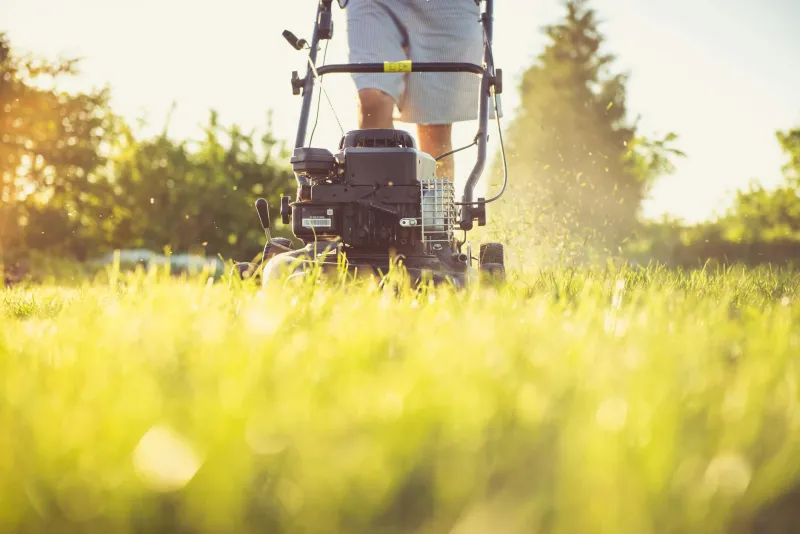
Every Saturday morning in 1975, you could hear the same sound echoing through American neighborhoods: the rhythmic whisper of push mowers cutting through grass. No gas engines roaring. No leaf blowers screaming. Just the peaceful sound of steel blades spinning through suburban lawns while fathers in white t-shirts walked behind them, usually finished within an hour.
The lawn was simple then. You mowed it when it got long, watered it if it looked brown, and maybe threw some fertilizer on it once a year if you were feeling ambitious. The goal wasn't perfection—it was just keeping the grass shorter than your neighbor's and avoiding complaints from the homeowners association, which probably didn't exist yet anyway.
That was the extent of American lawn care: mow, water occasionally, and get on with your life.
When Grass Was Just Grass
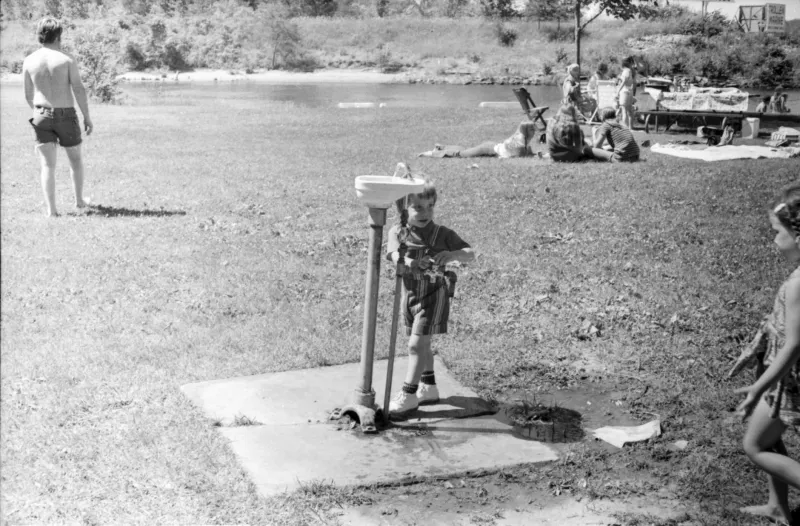
Back then, lawns served a practical purpose. They were where kids played, where families had barbecues, and where you threw a football around on Sunday afternoons. The grass was there to be used, not admired. If it got worn down from use, that was just proof it was serving its purpose.
Most suburban lawns were modest affairs—maybe 2,000 to 3,000 square feet of whatever grass grew naturally in your climate. Kentucky bluegrass in the North, Bermuda in the South, and a mix of whatever survived in between. Nobody was conducting soil tests or debating the merits of different seed varieties. You planted grass, it grew, you cut it.
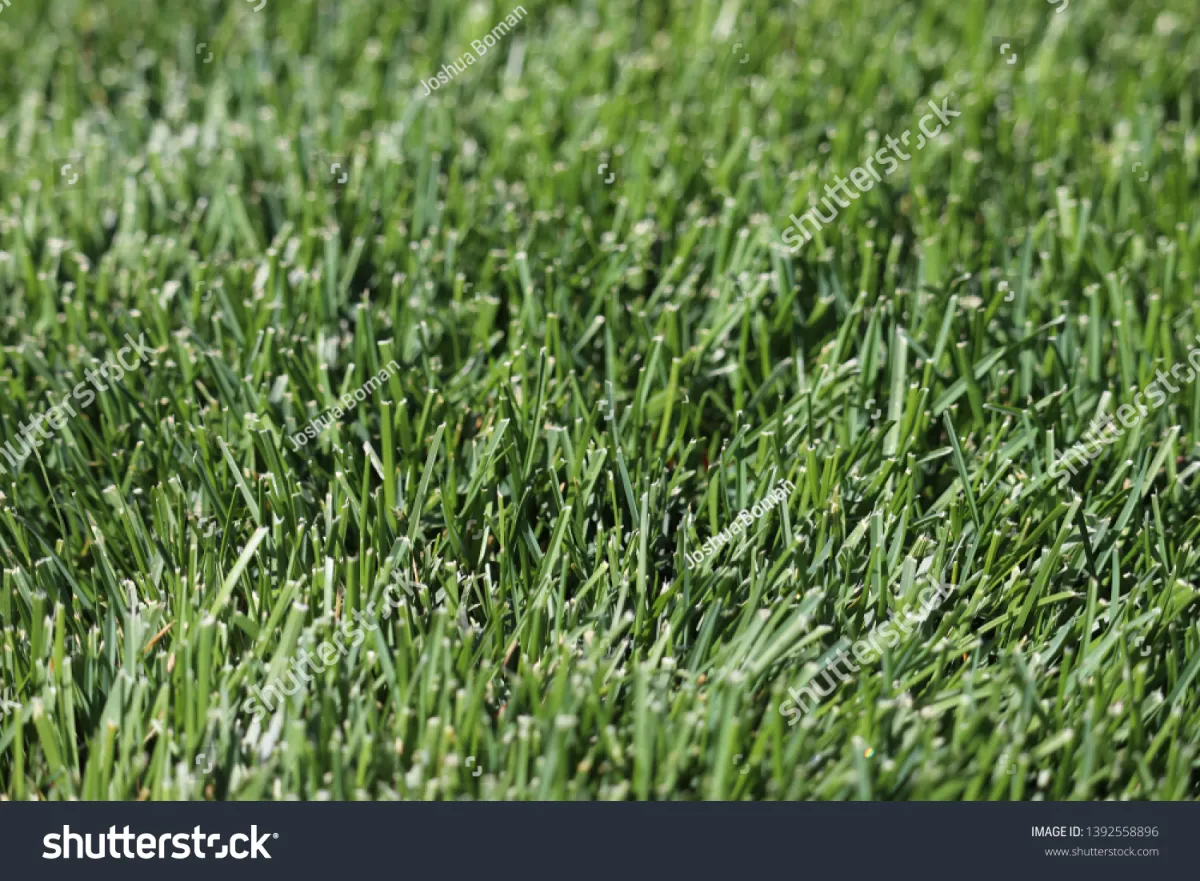 Photo: Kentucky bluegrass, via image.shutterstock.com
The tools were equally simple. A push mower that cost maybe $50 new, a garden hose, and a sprinkler that you moved around by hand. Total investment: under $100. Total time commitment: maybe two hours per week during growing season.
The Lawn Care Industrial Complex
Somewhere between then and now, the American lawn transformed from a simple patch of grass into a complex ecosystem requiring professional management, specialized equipment, and ongoing subscription services. What used to be a weekend chore became a year-round obsession.
Today's suburban lawn owner doesn't just mow—they overseed, aerate, dethatch, and apply pre-emergent herbicides according to carefully timed seasonal schedules. They install smart irrigation systems that cost more than their grandfather's first car. They hire companies to spray chemicals with names like 2,4-D and glyphosate, substances that require hazard warnings and keep kids and pets indoors for hours after application.
The modern lawn care industry generates over $60 billion annually in the United States. That's more than the entire GDP of some countries, all devoted to keeping grass looking perfect.
Apps for Grass
Perhaps nothing illustrates the transformation better than the fact that there are now smartphone apps dedicated to lawn care. Apps that remind you when to fertilize, when to water, when to apply crabgrass preventer. Apps that let you take photos of your lawn problems and get advice from certified turfgrass professionals.
Your phone can now tell you the optimal mowing height for your specific grass type in your specific climate zone during your specific week of the year. It can analyze your soil composition through photos and recommend custom fertilizer blends. It can even connect to smart sprinkler systems that adjust watering schedules based on weather forecasts and soil moisture sensors.
The fact that such apps exist—and that people use them—would have been incomprehensible to the Saturday morning mower of 1975. He would have wondered why anyone needed an app to tell them when grass looked long enough to cut.
The Subscription Lawn
Maybe the most telling change is how lawn care became a subscription service. Companies like TruGreen and ChemLawn turned what used to be a simple weekend task into a complex, ongoing relationship requiring quarterly treatments, seasonal assessments, and annual contracts.
These services promise to take the guesswork out of lawn care, but they've also turned grass maintenance into something that never ends. There's always another treatment needed, another problem to solve, another upgrade to consider. The lawn becomes less like a patch of ground and more like a demanding pet that requires constant attention and feeding.
The average American household now spends over $500 per year on lawn care—not including equipment, irrigation systems, or landscaping. In many suburban neighborhoods, that number easily doubles or triples when you factor in professional services, premium equipment, and the ongoing costs of maintaining irrigation systems.
The Anxiety of Perfect Grass
What's perhaps most striking about modern lawn culture is how it transformed from a source of simple satisfaction into a source of stress. The weekend mower of 1975 felt good when his lawn looked decent. Today's homeowner feels anxious when their lawn doesn't look perfect.
Homeowners associations now have detailed regulations about grass height, acceptable species, and seasonal maintenance requirements. Neighbors judge each other based on lawn quality in ways that would have seemed absurd fifty years ago. Social media feeds include before-and-after lawn transformation photos that treat grass like interior design.
The simple satisfaction of a job well done—cutting grass on a Saturday morning—has been replaced by the endless pursuit of an impossible standard that requires constant vigilance, ongoing investment, and professional expertise.
The Environmental Cost of Perfection
The pursuit of the perfect lawn has environmental consequences that the push-mower generation never had to consider. Modern lawns consume roughly 9 billion gallons of water per day in the United States. They're treated with more pesticides per acre than most agricultural crops. The gas-powered equipment used to maintain them produces emissions equivalent to millions of cars.
Lawn mowers alone account for about 5% of total air pollution in the United States—more than all commercial airlines combined. The quest for perfect grass has created an environmental footprint that would shock the Saturday morning mowers who just wanted to keep their grass shorter than their neighbors'.
What We Gained and What We Lost
Modern lawn care technology has delivered on its promises in many ways. Today's lawns can look absolutely stunning—thick, green, weed-free carpets that would have amazed homeowners from earlier generations. Smart irrigation systems conserve water more efficiently than the old sprinklers that people forgot to move. Professional treatments can address problems that would have stumped weekend warriors.
But somewhere in the pursuit of perfection, we lost the simple pleasure of the Saturday morning mow. We lost the idea that a lawn was just a place to live and play, not a reflection of our character or status. We turned a simple weekend chore into a complex, expensive, ongoing project that never really ends.
The push mower still exists—you can buy one today for about the same inflation-adjusted price as in 1975. But it sits in the corner of big-box stores, ignored by shoppers comparing the features of zero-turn mowers that cost more than cars and require their own storage buildings.
Maybe the real question isn't whether modern lawn care is better or worse, but whether we remember what lawns were supposed to be for in the first place: just a patch of grass where life happened, not a project that consumed it.