Back When the Peanuts and Cracker Jack Cost More Than Your Seat
The $3 Family Outing
On a warm Saturday afternoon in 1975, Tom Sullivan loaded his three kids into the station wagon and drove to Wrigley Field. He bought four general admission tickets for $3 each, parked for free on a side street, and treated everyone to hot dogs and Cokes during the seventh-inning stretch. The entire day cost him $23, including gas money for the drive from the suburbs.
Tom was a machinist at a tool and die shop, earning $4.20 an hour. That baseball outing represented about five and a half hours of work — roughly what he'd make on a Tuesday morning.
Try that math today.
When Ballparks Served Working Families
The economics of 1970s baseball were built around a simple principle: fill the seats with regular people who could afford to come back. Ticket prices reflected this philosophy. In 1975, the average Major League Baseball ticket cost $2.75. Adjusted for inflation, that's about $15 today. The actual average ticket price in 2024? $37.
But tickets were just the beginning of an affordable experience. At most ballparks, you could park for free or maybe pay 50 cents. A hot dog cost 75 cents, a beer was $1, and a bag of peanuts ran you 35 cents. Concession stands were simple affairs — basic food at reasonable prices, not the gourmet marketplaces of today's stadiums.
The total cost for a family of four to attend a game, including parking and food, typically ran between $15 and $25. For most working-class families, that was an impulse purchase, not a budget-busting special occasion.
The Premium Experience Revolution
Sometime in the 1990s, professional sports discovered they could make more money from fewer people. Instead of packing stadiums with $5 tickets, teams realized they could sell $50 tickets to a smaller, wealthier crowd. The transformation was gradual but relentless.
New stadiums became the catalyst for this change. When teams built replacement venues, they designed them around premium experiences rather than maximum capacity. Luxury boxes, club seats, and upscale dining options took precedence over affordable bleacher sections. The Chicago White Sox's new Comiskey Park, opened in 1991, had 8,000 fewer seats than the old ballpark it replaced — but generated far more revenue per game.
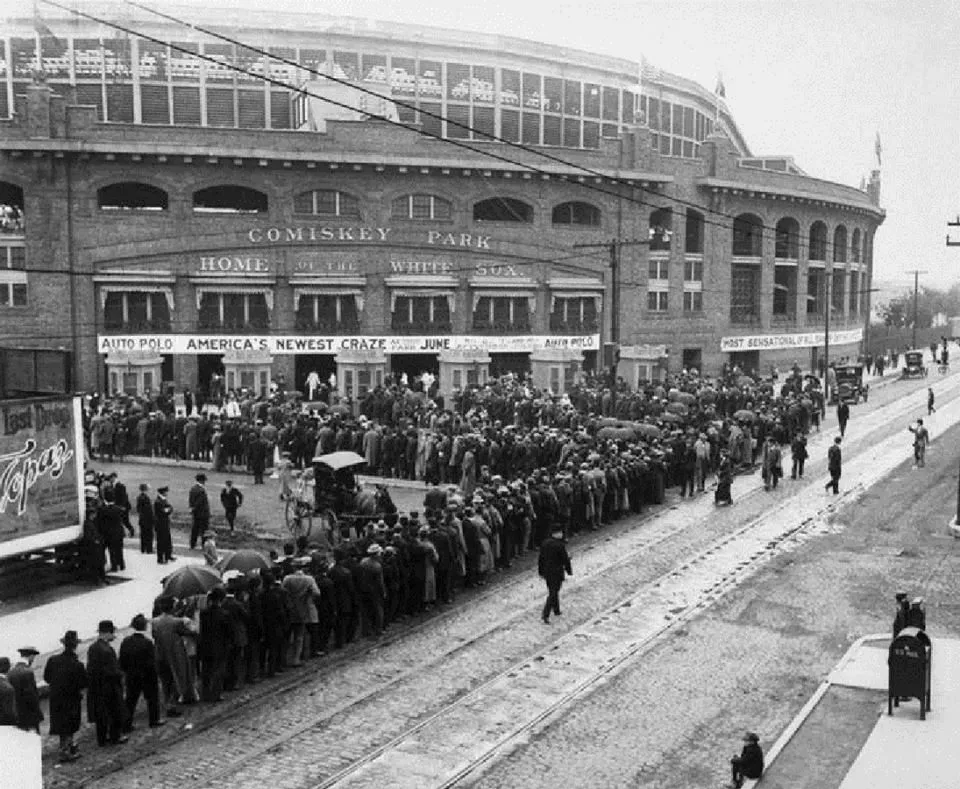 Photo: Comiskey Park, via www.baseballhistorycomesalive.com
Concession prices followed the same trajectory. Hot dogs that cost $2 in 1990 jumped to $4 by 2000, then $6 by 2010. Today, a hot dog at Yankee Stadium costs $7, while a beer runs $12. At some venues, a single beer costs more than a family of four paid for admission in 1975.
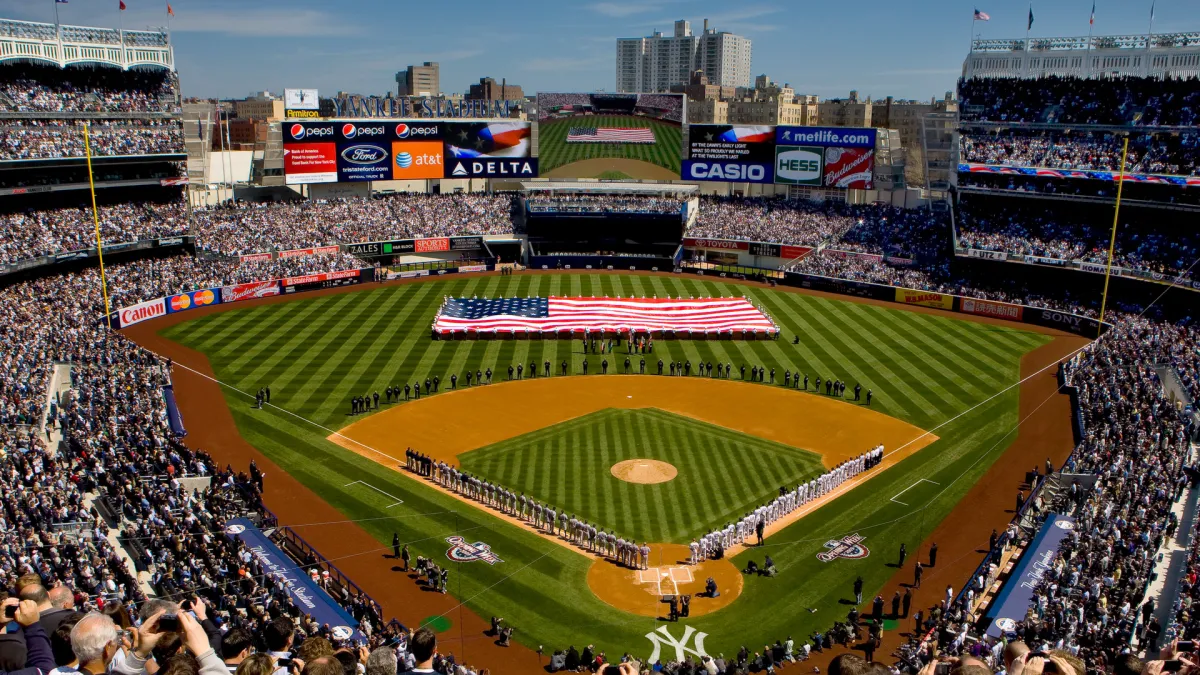 Photo: Yankee Stadium, via populous.com
The Parking Lot Gold Mine
Perhaps no change better illustrates this transformation than parking. In the 1970s, most ballparks offered free parking or charged minimal fees. Teams viewed parking as a necessary service, not a profit center. Fans parked in surrounding neighborhoods, walked a few blocks, and thought nothing of it.
Modern stadiums treat parking like prime real estate. Teams charge $25 to $50 for spots that used to be free. Premium parking — closer to the entrance — can cost $75 or more. Some venues offer valet service for over $100. The parking fee alone at many stadiums now exceeds the total cost of attending a game in 1975.
When Players Were Neighbors, Not Celebrities
The affordable ballpark experience reflected a different relationship between players and fans. In 1975, the average MLB salary was $44,000 — good money, but not stratospheric wealth. Many players held off-season jobs. They lived in regular neighborhoods, shopped at regular stores, and weren't separated from fans by layers of security and wealth.
This proximity created a different stadium atmosphere. Players were accessible heroes rather than distant celebrities. Kids could realistically dream of getting an autograph or even a conversation with their favorite player. The ballpark felt like a community gathering place where everyone belonged.
Today's average MLB salary exceeds $4 million. Players live in gated communities and travel in private vehicles. The distance between the field and the stands — both literal and economic — has grown into a chasm.
The Family Budget Reality Check
For today's working families, attending a baseball game requires serious financial planning. A 2024 study found that the average cost for a family of four to attend an MLB game — including tickets, parking, food, and drinks — ranges from $150 to $400, depending on the team and seating location.
Consider what this means in terms of working hours. A machinist today earns about $25 per hour, roughly the same purchasing power as Tom Sullivan in 1975. But attending a baseball game now requires 6 to 16 hours of work, compared to the 5.5 hours it took in 1975. For minimum-wage workers, a single game can represent 20 hours of labor.
The result is predictable: baseball attendance has become increasingly concentrated among higher-income families. The working-class fans who once filled ballparks have been priced out, replaced by corporate groups and affluent families for whom $200 represents entertainment rather than a significant expense.
The Concession Stand Economics
Nothing illustrates this shift better than concession pricing. In 1975, stadium food was basic but fairly priced. A hot dog cost about 40% more than a grocery store hot dog — a reasonable markup for convenience and atmosphere.
Today's ballpark hot dog costs 500% more than a grocery store equivalent. A $7 stadium hot dog represents pure profit extraction, not reasonable pricing for a captive audience. Teams justify these prices by pointing to "premium" ingredients and "artisanal" preparation, but the real explanation is simpler: they can charge these prices because fans will pay them, at least occasionally.
The Lost Democracy of Sports
The transformation of ballpark economics reflects a broader change in American society. Professional sports once served as a democratic gathering place where different social classes mixed in shared enthusiasm for their team. The millionaire in box seats and the factory worker in the bleachers rooted for the same players, shared the same hopes, and participated in the same community ritual.
Today's sports venues increasingly segregate fans by income level. Premium seating sections offer different entrances, exclusive concessions, and climate-controlled environments that separate wealthy fans from the general crowd. The shared experience that once defined American sports has given way to a tiered system that mirrors the broader economy.
What We Lost at the Ballpark
When teams chose revenue maximization over accessibility, they gained profitable businesses but lost something harder to quantify: the role of sports as a unifying cultural force. The ballpark was once a place where America's democratic ideals played out in real time, where a $3 ticket bought you the same game as everyone else.
That world is gone, replaced by a premium entertainment product that serves its target market efficiently but excludes the working families who once formed the backbone of baseball fandom. The hot dog still costs more than the seat — but now both are priced for a different kind of customer entirely.