One Ticket Used to Cost You Twenty Bucks. Now It Costs You Five Years of Higher Premiums.
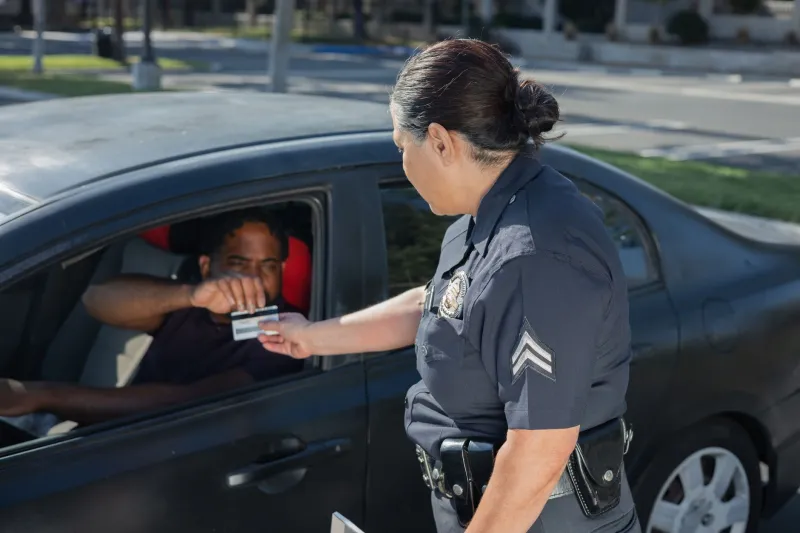
Somewhere around 1962, a man in rural Ohio got pulled over doing 47 in a 35. He paid a $15 fine at the county courthouse, in cash, to a clerk he recognized from church. She wrote it in a ledger. He drove home. That was the end of it.
That story feels almost fictional now — not because it didn't happen, but because every piece of it is unrecognizable to anyone who's dealt with a traffic violation in the last decade.
The Era When a Fine Was Just a Fine
For most of the 20th century, traffic enforcement was a local affair in every sense of the word. Fines were set by municipalities, collected by county courts, and recorded — if they were recorded at all — in physical books that rarely left the building. There was no central database connecting your infraction in Tennessee to your insurance company in Ohio. There was no algorithm cross-referencing your driving history with your creditworthiness.
Insurance companies did ask about violations, but they largely depended on you to self-report. If you didn't mention the ticket, they often didn't know about it. In smaller towns, the traffic court judge might be someone your father went to school with. Fines were sometimes negotiated on the spot. A first offense frequently disappeared without a trace.
This wasn't necessarily a good system. It was inconsistent, prone to favoritism, and unequal in ways that tended to benefit people who already had advantages. But it did have one feature that today's system entirely lacks: proportionality. You paid for what you did, and then you were done.
The Infrastructure That Changed Everything
The shift didn't happen overnight. It crept in gradually through the 1980s and 1990s as states began digitizing their motor vehicle records and sharing them across jurisdictions. The National Driver Register, established in the 1960s but dramatically expanded in scope over subsequent decades, created the first real framework for tracking violations across state lines. By the time the internet matured in the early 2000s, the architecture for a fully interconnected traffic record system was essentially in place.
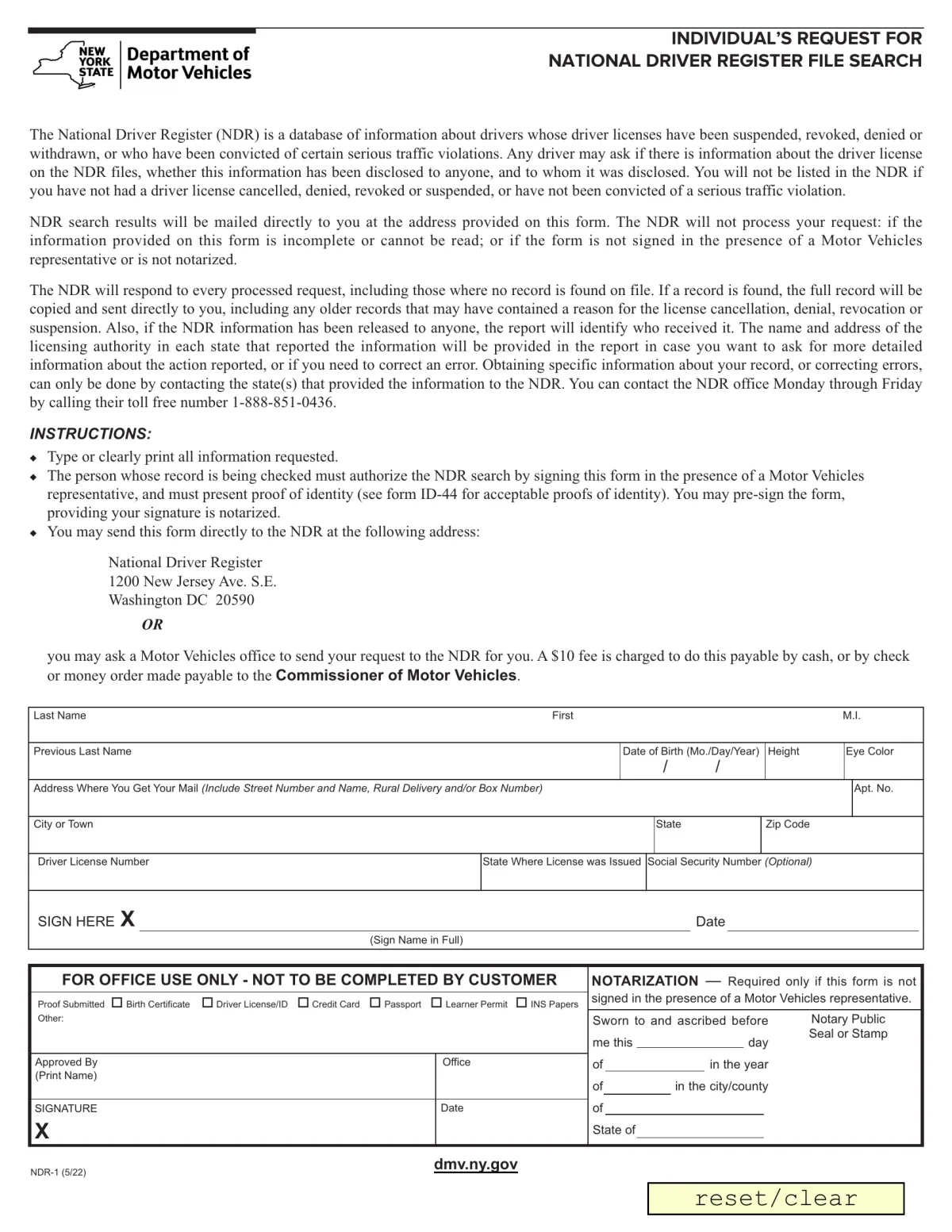 Photo: National Driver Register, via blanker.org
Today, a single speeding ticket initiates a chain of consequences that the driver may not fully understand for months.
First, there's the fine itself — which has grown considerably. Average speeding fines in the US now range from $150 to over $500 depending on the state and how far over the limit you were traveling. Add court fees, administrative costs, and the occasional traffic school surcharge, and a routine stop can easily run $300 before you've touched your insurance policy.
Then the insurance impact hits. Most major carriers access your motor vehicle record at renewal — and sometimes mid-policy. A single speeding violation can raise your annual premium by 20 to 30 percent in many states. For a driver paying $1,800 a year, that's an extra $360 to $540 annually, for three to five years, depending on your state's lookback period. The total cost of that one afternoon of driving 12 miles over the limit can quietly exceed $2,000.
When Employers Started Caring About Your Commute
Here's where things get genuinely surprising for most people: your driving record doesn't just affect your driving anymore.
Employers in industries ranging from delivery and logistics to healthcare and financial services routinely pull motor vehicle records as part of background screening. A pattern of violations — or in some states, even a single serious infraction — can disqualify applicants from positions that have nothing to do with operating a vehicle. A 2022 survey by the Professional Background Screening Association found that more than 20 percent of employers conduct driving record checks on candidates, including for desk-based roles.
Some states also allow insurance companies to factor driving history into homeowners and renters insurance pricing models, creating a feedback loop where a moment of inattention on the highway affects what you pay to insure your apartment.
The Data Doesn't Forget
What's fundamentally different about the modern system isn't just the financial stakes — it's the permanence. Physical ledgers got lost, flooded, or simply weren't shared. Digital records don't degrade. They replicate.
Third-party data brokers routinely purchase motor vehicle records from state DMVs — a practice explicitly permitted under the Driver's Privacy Protection Act for approved purposes — and resell them to insurers, employers, and other subscribers. Your driving history becomes a commodity, circulating through systems you'll never directly interact with and influencing decisions you may never know were made.
For most of American history, a minor mistake on the road was a minor mistake on the road. The punishment was designed to fit the moment.
What We Gained, What We Gave Up
To be fair, the modern system has genuine benefits. Repeat dangerous drivers are harder to hide behind state lines. Insurance pricing, whatever its frustrations, is more actuarially grounded than it used to be. Road fatality rates in the US, while still troublingly high by international standards, have declined substantially since the 1970s, and better enforcement infrastructure is part of that story.
But there's something worth sitting with here. The man in rural Ohio who paid $15 in 1962 made a mistake. He was held accountable. And then the world moved on.
Today, that same mistake enters a system designed not to move on — designed, in fact, to remember. Whether that's justice or something else depends on who you ask. But it's worth understanding exactly what you're agreeing to every time you get behind the wheel.