Where America Used to Eat Together and Everyone Knew the Waitress by Name
The Counter Where America Met Itself
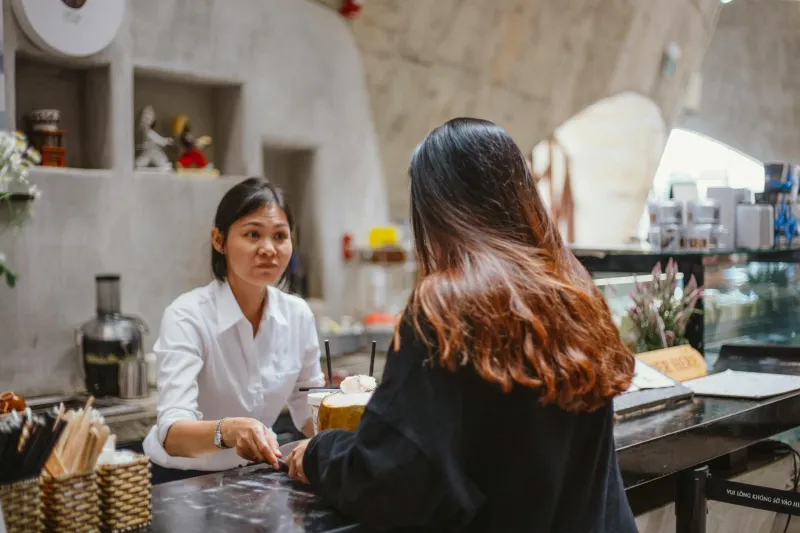
Every morning at 6 AM, the same ritual played out in thousands of diners across America. The coffee was already brewing when the first customer pushed through the glass door, triggering the familiar jingle of the bell. Behind the counter, a waitress who knew whether you wanted your eggs over easy or scrambled was already reaching for the pot.
The American diner wasn't just a restaurant—it was the town's unofficial meeting hall, confession booth, and democracy in action. At the horseshoe-shaped counter, a truck driver heading to California might sit next to the high school principal, the night-shift factory worker, and the mayor grabbing breakfast before a city council meeting.
They weren't there just for the food, though the food was reliable: eggs cooked exactly how you liked them, coffee that never seemed to run out, and pie that somebody's grandmother might have made. They were there because the diner was where the town came to talk, argue, laugh, and figure things out together.
The Democracy of the Counter Stool
The genius of the classic diner layout was that it forced interaction. Unlike today's restaurants with separate tables and booth privacy, the counter created a shared space where conversations naturally spilled over. You couldn't help but overhear the farmer complaining about grain prices or the teacher discussing the school budget, and before long, you were part of the conversation.
This wasn't always comfortable. Arguments erupted over politics, sports, and local controversies. But they happened face-to-face, between people who would see each other again at the grocery store or the gas station. The social pressure to remain civil was built into the architecture of the place.
The waitresses—they were almost always women—served as unofficial moderators, social workers, and keepers of the town's secrets. They knew who was struggling financially, whose marriage was in trouble, and which teenager was heading for problems. A good diner waitress could defuse tension with humor, connect someone looking for work with someone who was hiring, and make sure the elderly regular got an extra piece of pie when nobody was looking.
Open All Night, Always There
The best diners never really closed. The 24-hour diner was America's most democratic institution—a warm, well-lit place where anyone with the price of a cup of coffee could sit for hours without judgment. Night-shift workers grabbed breakfast at 11 PM. Insomniacs found company at 3 AM. Teenagers with nowhere else to go nursed sodas until dawn.
The diner's role went beyond feeding people. It was a community safety net, a place where someone going through a rough patch could find human contact and a hot meal. Stories abound of diner owners who quietly fed unemployed regulars on credit, or waitresses who noticed when an elderly customer hadn't been in for a few days and checked on them.
The Beginning of the End
The decline of the American diner began in the 1970s with the rise of fast-food chains that could serve food faster and cheaper. McDonald's and Burger King offered consistency and efficiency, but they couldn't replicate the diner's social function. You didn't linger at McDonald's or strike up conversations with strangers over Big Macs.
 Photo: Burger King, via pablosexto.gob.ec
Suburbanization played a role too. As Americans moved to the suburbs and began commuting longer distances, the neighborhood diner became less convenient than the drive-through on the highway. The social patterns that supported diner culture—walking to work, living in the same town for decades, knowing your neighbors—were already changing.
By the 1990s, many classic diners had been replaced by chain restaurants that looked like diners but functioned differently. These new establishments had the aesthetic—checkered floors, neon signs, vinyl booths—but they were designed for efficiency, not community. The counter seating that forced interaction was often eliminated in favor of more profitable table arrangements.
The Ghost Kitchen Revolution
Today's food landscape would be unrecognizable to someone from the diner era. Ghost kitchens—commercial cooking facilities that exist only to fulfill delivery orders—represent the complete opposite of diner culture. They have no dining room, no waitstaff, no community function. You place an order through an app and food appears at your door, prepared by people you'll never meet.
This system is undeniably efficient. You can order exactly what you want, customized to your preferences, without leaving your house or interacting with anyone. The selection is virtually unlimited—Thai food, Mexican, Italian, vegan, gluten-free—all available through the same app.
But something essential has been lost in the optimization. Food has become a private, individual experience rather than a shared social activity. We're fed better than ever in terms of variety and convenience, but we're eating alone more often than any generation in American history.
What the Diner Knew That We Forgot
The American diner succeeded because it understood something we've forgotten: people need places to gather that aren't their homes or their workplaces. The diner provided what sociologists call "third spaces"—informal gathering spots where community happens naturally.
These spaces can't be engineered or optimized. They emerge organically when people have reason to be in the same place regularly, when the environment encourages interaction, and when there's time to let conversations develop. The diner had all of these elements: the daily ritual of meals, the shared counter space, and the unhurried pace that let relationships form over time.
Modern substitutes—coffee shops, food courts, even social media—can't fully replace what the diner offered. Coffee shops are often designed for laptop work rather than conversation. Food courts are too noisy and transient. Social media connects us with people we choose to engage with, not the random cross-section of humanity you'd encounter at the diner counter.
The Loneliness of Efficiency
We've gained tremendous efficiency in how we feed ourselves. Food delivery apps can bring restaurant-quality meals to our doors in thirty minutes. We can eat exactly what we want, when we want it, without compromising or waiting. We're no longer stuck making small talk with strangers or listening to conversations we'd rather avoid.
But efficiency and community often work against each other. The diner was inefficient by modern standards—service was slower, options were limited, and you couldn't avoid people you didn't particularly like. Those inefficiencies, though, created the friction that made human connections possible.
In our rush to optimize the food experience, we've optimized away the social experience that made eating out about more than just nutrition. We've solved the problem of hunger, but we've made ourselves hungrier for the kind of human connection that used to happen naturally over coffee and eggs at the counter where everybody knew your name.