The Bartender Who Knew Your Name, Your Boss, and Exactly When to Stop Pouring
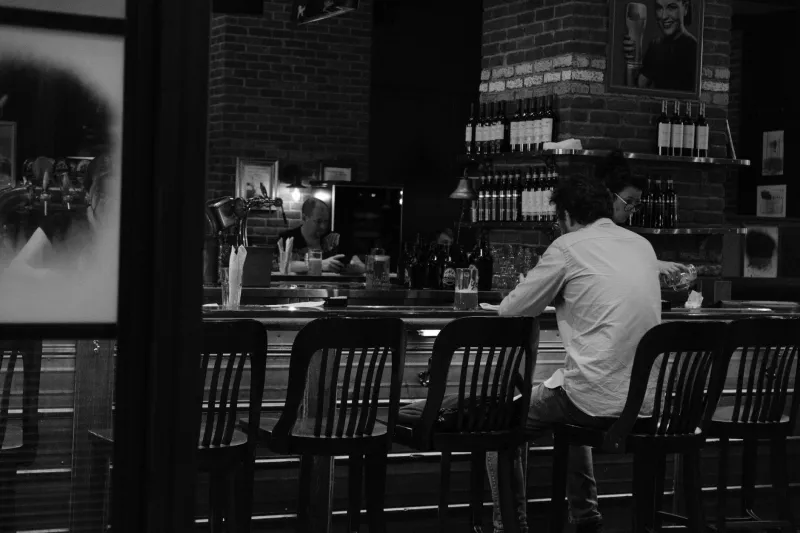
Picture a Tuesday evening in 1975. A machinist named Ray finishes his shift, changes his shirt, and walks four blocks to a bar he's been going to since 1962. The bartender — let's call him Eddie — has his draft pulled before Ray's jacket is off the stool. Eddie knows Ray's wife's name, the name of the foreman Ray doesn't get along with, and that Ray's youngest just started at the community college. By the time a second regular walks in, the three of them are already talking about the city council vote that ran in the afternoon paper.
Nothing about that scene was remarkable in 1975. It was just Tuesday. But if you described it to most Americans under forty today, it would sound like a scene from a movie — warm, specific, and slightly unreal.
The neighborhood tavern was once one of the most important social institutions in American life. Not because of the alcohol, but because of what happened around it. And understanding what it actually did — and what replaced it, or more accurately, what didn't — tells you something important about why so many Americans now report feeling more isolated than at any previous point in their lives.
The Third Place, Before Anyone Called It That
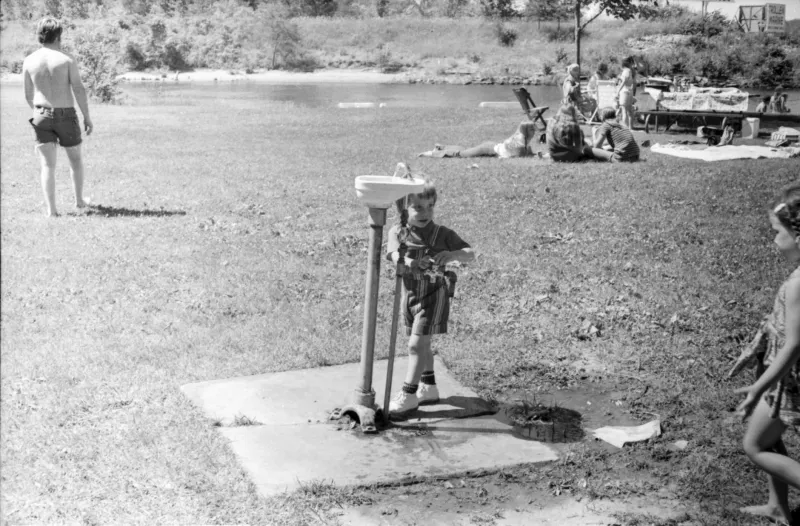
Sociologist Ray Oldenburg coined the term "third place" in 1989 to describe the social environments that exist outside of home and work — the informal gathering spots where community life actually happens. He was, in many ways, describing something that had already been quietly disappearing for a decade.
 Photo: Ray Oldenburg, via greatgoodplace.org
The neighborhood bar was the original American third place. It wasn't the only one — the barbershop, the diner, the front porch, the bowling alley all served overlapping functions — but the bar had particular staying power because it was open in the evenings, when people actually had time to be social. It required no appointment, no registration, and no special occasion. You just showed up.
What you found when you showed up was a room full of people who lived near you, worked near you, and were navigating the same local world you were. The conversation that resulted was genuinely communal in a way that's hard to replicate digitally. It was hyperlocal news, relationship advice, job leads, and neighborhood gossip all running simultaneously, with Eddie refilling glasses and keeping a loose kind of order.
What the Bar Actually Provided
It's worth being specific about the functions the neighborhood tavern performed, because listing them makes the loss more concrete.
Information. Before cable news and certainly before the internet, local bars were genuine information hubs. Word traveled through them. If a business on Main Street was closing, or a road was being repaired, or a local official had done something worth knowing about, the bar often had it before the evening news did. Regulars with different jobs and different social circles pooled their knowledge nightly.
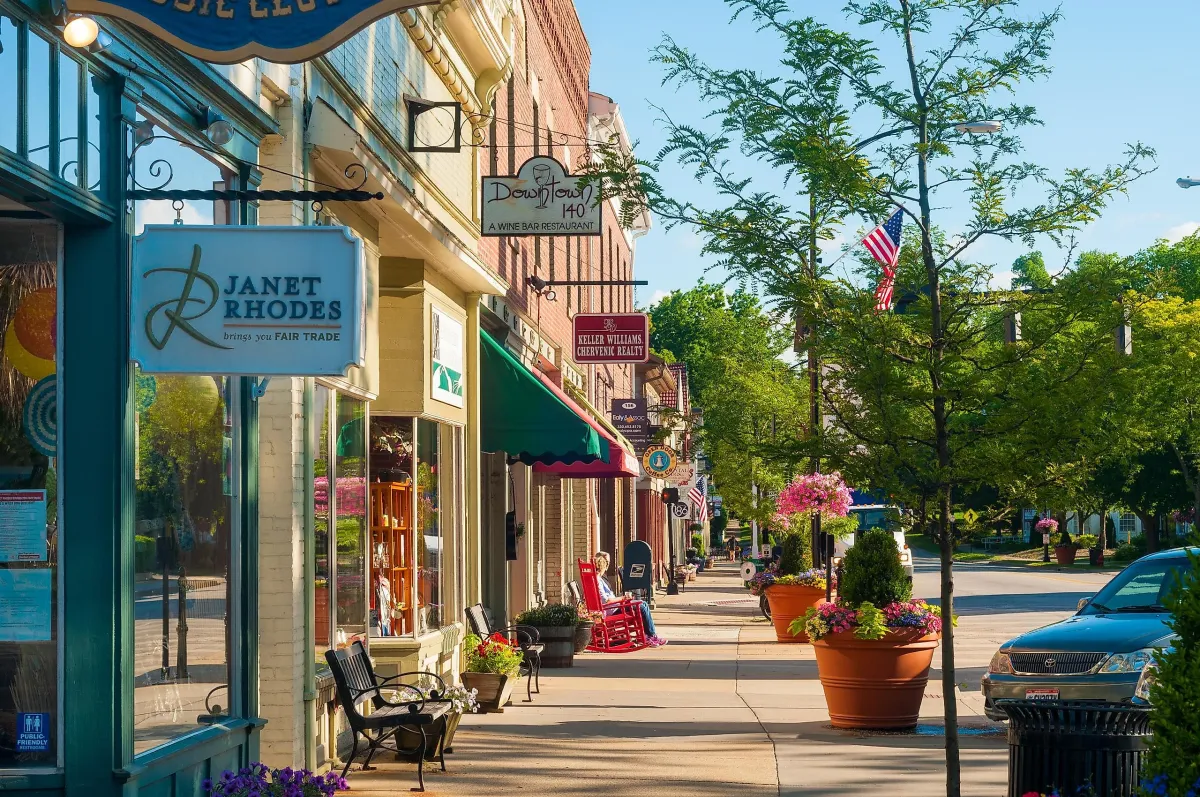 Photo: Main Street, via www.worldatlas.com
Informal counseling. The bartender-as-therapist is a cliché, but clichés earn their status. A good bartender at a neighborhood joint knew the emotional landscape of the regulars well enough to know when someone needed to talk, when they needed to be left alone, and when they'd had enough. That kind of attentive, non-judgmental listening is genuinely valuable — and it was available for the price of a beer.
Social accountability. Because everyone knew everyone, the neighborhood bar created a mild but real form of community accountability. If you behaved badly, people noticed. If you were going through something difficult, people noticed that too. The anonymity that defines most modern social interaction was largely absent. You were known, which was sometimes uncomfortable and often exactly what people needed.
Cross-class mixing. This one gets overlooked. The neighborhood bar drew from a relatively tight geographic radius, which meant it mixed people who might not otherwise socialize — the foreman and the line worker, the small business owner and the postal carrier. That mixing created a kind of social fabric that was genuinely democratic in the old sense of the word.
What Changed, and When
The decline didn't happen all at once. It was a slow accumulation of pressures over several decades.
Suburbanization pulled Americans away from the walkable, dense neighborhoods where the corner bar made geographic sense. Driving everywhere meant drinking less, or drinking differently. The rise of the home entertainment center — first with cable TV, then with home video, then with streaming — made staying in increasingly attractive. Changing attitudes toward alcohol, accelerated by awareness campaigns in the 1980s, shifted the cultural status of the neighborhood bar from community fixture to potential liability.
The 2008 financial crisis closed thousands of neighborhood bars that had survived everything else. Many were replaced by nothing. Others were replaced by upscale cocktail bars with $18 drinks and a rotating seasonal menu — places that are genuinely pleasant but serve a fundamentally different social function. You don't become a regular at a craft cocktail bar the way Ray was a regular at Eddie's place. The economics don't work and the vibe doesn't invite it.
Delivery apps finished the job that streaming had started. Why go out at all?
The Isolation We Inherited
The surgeon general's 2023 advisory on loneliness in America didn't mention bars. But the trend it documented — roughly half of American adults reporting measurable loneliness, with men particularly affected — maps almost perfectly onto the disappearance of the kinds of low-stakes, recurring social spaces that the neighborhood tavern once represented.
The bar wasn't a cure for loneliness. But it was a reliable, low-pressure antidote to isolation — a place where showing up was enough, where you didn't need to plan ahead or perform or present a curated version of yourself. You just needed to walk in.
That four-block walk Ray took on Tuesday evenings wasn't really about the beer. It was about the room that knew him. Most Americans no longer have a room like that. We're still figuring out what to do about it.