Your Grandfather's Promise Was Worth More Than Your Credit Score
When Your Word Was Your Bond
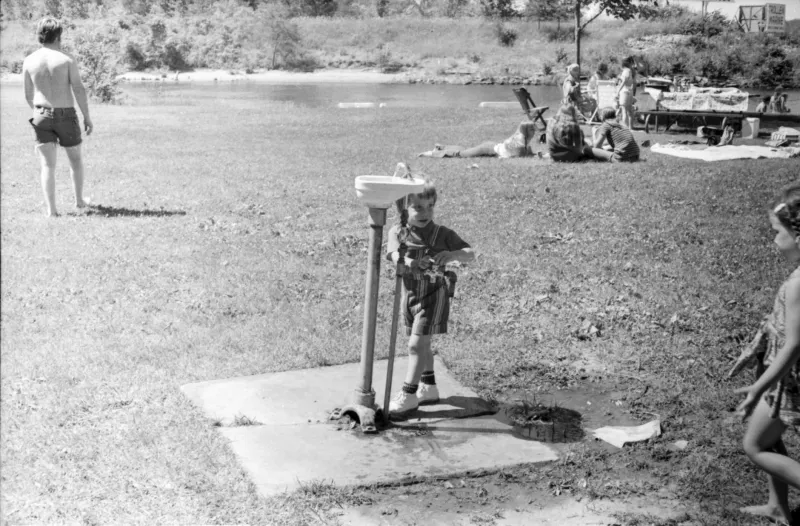
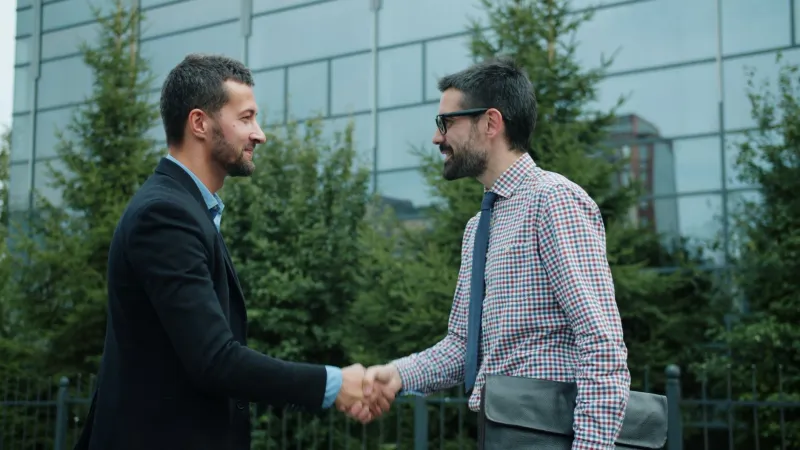
Walk into any small-town bank in 1955, and you might witness something that would seem impossible today: a farmer getting a $5,000 loan based on nothing more than his reputation and a handshake with the bank president. No credit checks, no income verification forms, no 18-page loan agreements with subsections about default procedures.
This wasn't reckless banking. It was how America did business for generations.
The handshake economy operated on a simple principle: your reputation in the community was your most valuable asset, and breaking your word could destroy it overnight. In small towns across the country, everyone knew everyone, and a man's character was public knowledge. If Joe Henderson had never missed a payment in twenty years, that track record meant more than any credit algorithm.
The Architecture of Trust
Business deals that would require teams of lawyers today were sealed with verbal agreements and maybe a one-page contract. Real estate transactions happened on kitchen tables with handwritten agreements. Car dealers sold vehicles on payment plans based on knowing your family. Even major construction projects often began with a handshake and a promise to "work out the details as we go."
This system worked because the social cost of breaking your word was enormous. In a world before credit reporting agencies and background check companies, your reputation was tracked by the people around you. Default on a loan, and the whole town would know by Sunday service. Cheat a business partner, and you'd find yourself excluded from the coffee shop conversations where deals were made.
The legal infrastructure existed, of course, but it was rarely needed. Courts handled the exceptions, not the rule. Most disputes were settled over coffee or at the church social, with community elders serving as informal mediators.
When Everything Changed
The shift away from handshake agreements didn't happen overnight. It began in the 1960s as America became more mobile and urbanized. When people started moving across state lines for jobs, the tight social networks that enforced trust began to fray. You could escape a bad reputation by relocating to a city where nobody knew your history.
The rise of consumer credit in the 1970s accelerated the change. Credit cards and standardized lending practices required documentation that could be processed by people who had never met the borrower. A bank in Phoenix couldn't evaluate the character of someone applying for a loan based on their reputation in a Detroit neighborhood.
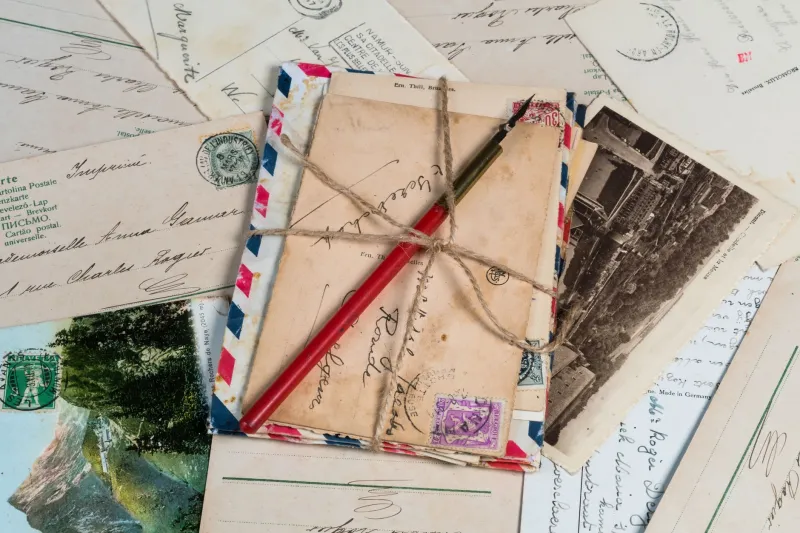
By the 1980s, liability lawsuits had made verbal agreements legally dangerous. Insurance companies began requiring written contracts for everything. The phrase "get it in writing" became standard business advice, and handshake deals started to seem naive rather than honorable.
The New Reality
Today, buying a gym membership requires more paperwork than starting a business did in 1955. The standard gym contract runs 12-15 pages and includes clauses about everything from locker liability to dispute resolution procedures. Joining a local softball league requires signed waivers. Hiring a teenager to mow your lawn comes with insurance considerations.
We've traded the simplicity of trust for the security of documentation. Every transaction is now protected by terms and conditions, liability waivers, and digital signatures. Your credit score has replaced your handshake as the measure of your trustworthiness, and algorithms determine your reliability instead of neighbors who've known your family for decades.
What We Lost in Translation
The paperwork economy offers real benefits. You can get a mortgage in a city where you've never lived, based on standardized criteria rather than personal connections. Credit reporting has democratized lending, allowing people to access capital without needing to know the bank president personally.
But something intangible was lost in the translation. The handshake economy required people to maintain their reputation within a community, creating social bonds that went beyond business transactions. When your word was your bond, keeping it meant more than avoiding legal consequences—it meant maintaining your place in the social fabric of your town.
The shift from handshakes to contracts reflects a broader change in how Americans relate to each other. We've gained legal protections and standardized processes, but we've lost the intimate accountability that came with doing business among people who would see you at the grocery store every week.
The Trust Deficit
Today's elaborate legal frameworks exist precisely because we can no longer assume the trust that made handshake deals possible. We've created systems designed for a world where people might disappear, change their names, or simply ignore their obligations without social consequences.
The irony is that all this documentation hasn't eliminated risk—it's just shifted it. Identity theft, corporate fraud, and financial scams are more sophisticated than ever. We've protected ourselves against the neighbor who might not pay back a loan, but we're vulnerable to criminals on the other side of the world who steal our information from databases we never knew existed.
The handshake economy wasn't perfect. It could exclude outsiders and perpetuate local inequalities. But it was built on the radical idea that most people, most of the time, would keep their word if their community was watching. In our rush to protect ourselves from the few who wouldn't, we've created a world where nobody's word is worth much at all.