Then & Now Home

Category

Health

14 articles

Six Items in the Cabinet and Nobody Had a Skincare Routine

Six Items in the Cabinet and Nobody Had a Skincare Routine

The bathroom cabinet of the 1950s was almost comically bare by modern standards — a tin of aspirin, a thermometer, maybe some Mercurochrome and a bar of soap. Today that same cabinet is a curated collection of serums, supplements, and products that arrive by subscription before the last ones are finished. Something changed between then and now, and it wasn't just our skin.

Before the Fitness App Told You to Breathe: How Americans Stayed Strong Without Ever Joining a Gym

Before the Fitness App Told You to Breathe: How Americans Stayed Strong Without Ever Joining a Gym

Earlier generations of Americans were hauling, lifting, walking, and sweating their way through physical lives that no personal trainer could program today — and they never paid a monthly subscription to do it. Somewhere between the backyard calisthenics and the $35 billion wellness industry, we traded genuine physical culture for optimized anxiety. The question is whether all that technology actually made us healthier.

When Your Doctor Carried a Black Bag and Knew Your Middle Name

When Your Doctor Carried a Black Bag and Knew Your Middle Name

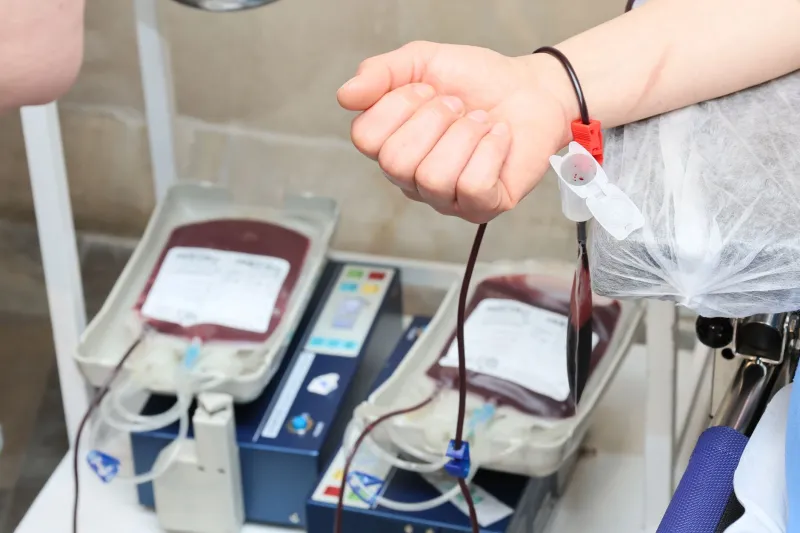
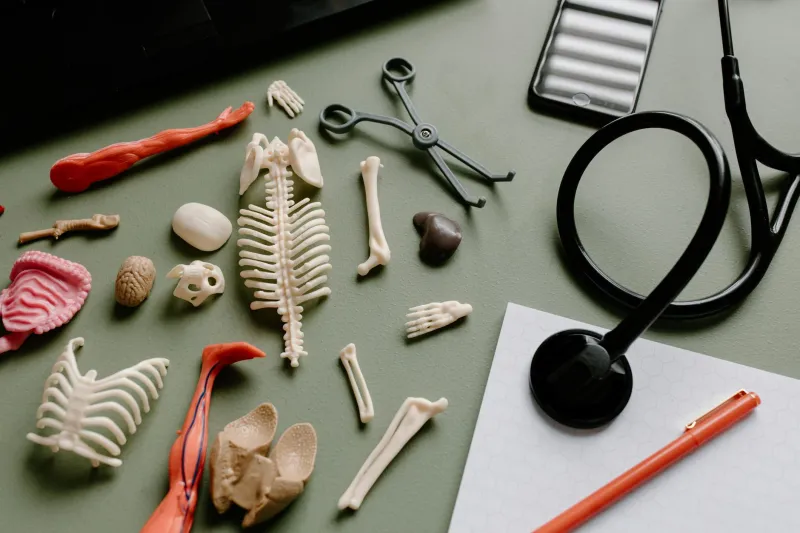
Sixty years ago, your family doctor made house calls, charged five dollars for a visit, and could diagnose your illness just by looking at you. The transformation of American medicine from intimate neighborhood practice to corporate healthcare reveals what we gained in medical advancement — and what we lost in the process.

Your Parents Knew Exactly What Their Retirement Would Pay. Most Americans Today Have No Idea.

Your Parents Knew Exactly What Their Retirement Would Pay. Most Americans Today Have No Idea.

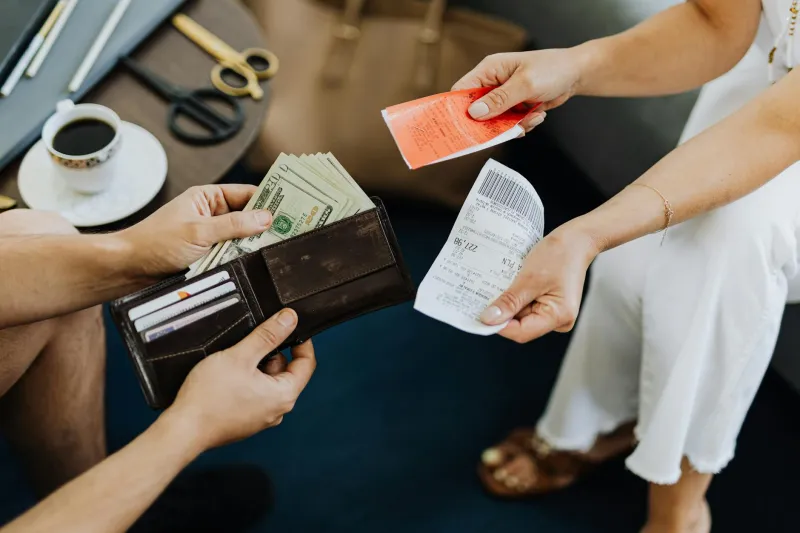
For most of the twentieth century, retiring in America meant collecting a monthly check from the company you'd spent your career with — a guaranteed amount, for life, no guesswork required. Somewhere between 1980 and now, that certainty quietly disappeared for most workers, replaced by a system where the outcome depends on markets, timing, and decisions most people were never trained to make. Understanding how that shift happened is one of the more important financial stories of the last 40 years.